


This post may contain affiliate links. Please read our disclosure policy.
There’s nothing worse than slicing into your Thanksgiving turkey only to find it’s undercooked—or worse, dry as sawdust because you overcooked it “just to be safe.” Getting turkey to the perfect internal temperature is the secret to juicy, flavorful meat that’s also completely safe to eat.
In this complete guide, I’ll walk you through everything you need to know about turkey internal temperatures, where to check, how to use a meat thermometer properly, and my best tips for a perfectly cooked bird every single time.
What Temperature Should Turkey Be Cooked To?
According to the USDA, turkey must reach a minimum internal temperature of 165°F (74°C) to be safe to eat. This temperature kills harmful bacteria like Salmonella and Campylobacter that can cause food poisoning.
However, here’s what makes turkey tricky: different parts of the bird cook at different rates. The dark meat in the thighs and drumsticks can actually handle (and benefits from) slightly higher temperatures, while white breast meat can become dry if cooked too long.
Turkey Temperature Chart (At a Glance)
| Turkey Part | Minimum Safe Temp | Ideal Temperature | Notes |
|---|---|---|---|
| Whole Turkey (Thigh) | 165°F (74°C) | 170-175°F (77-79°C) | Check the innermost part of thigh |
| Turkey Breast | 165°F (74°C) | 165°F (74°C) | Don’t overcook or it will be dry |
| Ground Turkey | 165°F (74°C) | 165°F (74°C) | Must reach temp throughout |
| Stuffing (inside turkey) | 165°F (74°C) | 165°F (74°C) | Check center of stuffing |
| Turkey Parts (thighs, drumsticks) | 165°F (74°C) | 175-180°F (79-82°C) | Dark meat is best at higher temps |
Where to Check Turkey Temperature (This is Critical!)
Knowing the right temperature is only half the battle—you also need to know where to check. Checking in the wrong spot can give you a false reading, leading to undercooked or overcooked turkey.
The 3 Essential Spots to Check:
1. The Thigh (Most Important)
Insert the thermometer into the thickest part of the thigh, between the leg and the body. Make sure you’re hitting meat, not bone (bones conduct heat differently and will give you an inaccurate reading). This is the slowest part to cook, so if the thigh is done, everything else should be too.
What you’re looking for: 165°F minimum, but 170-175°F is ideal for tender, fall-off-the-bone dark meat.
2. The Breast (Second Check)
Insert the thermometer into the thickest part of the breast, going in from the side and angling toward the center. Avoid touching the breastbone.
What you’re looking for: Exactly 165°F. Any higher and your breast meat risks becoming dry.
3. The Stuffing (If Applicable)
If you’ve stuffed your turkey, insert the thermometer into the center of the stuffing cavity. This is crucial because stuffing takes the longest to heat through and can harbor bacteria if undercooked.
What you’re looking for: 165°F minimum. If your turkey is done but the stuffing isn’t, scoop out the stuffing and finish cooking it in a baking dish.
Pro tip: I actually recommend cooking stuffing separately (dressing) rather than inside the bird. It’s safer, easier to check, and your turkey cooks faster!
How to Use a Meat Thermometer for Turkey
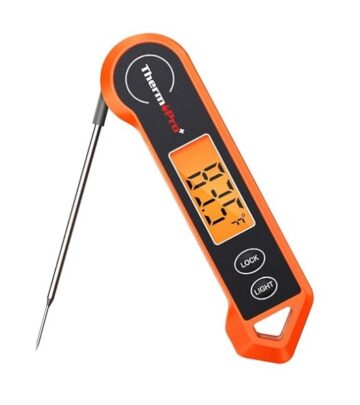
Using a meat thermometer correctly is non-negotiable when cooking turkey. Here’s my step-by-step process:
Step 1: Choose the Right Thermometer
- Instant-read thermometer: My top choice—quick, accurate, and easy to use. Check temp toward the end of cooking time.
- Probe thermometer: Stays in the turkey while it cooks. Great for monitoring without opening the oven.
- Pop-up thermometer: Often comes with the turkey, but NOT reliable. Always double-check with a real thermometer.
Step 2: Insert at the Right Angle
For the thigh, insert the thermometer at an angle, going in from the side toward the center of the thigh. You want to hit the thickest part of the meat without touching bone.
Step 3: Wait for the Reading
Give your thermometer 10-15 seconds to register the temperature (instant-read thermometers are faster). Don’t pull it out too quickly or you might get an inaccurate reading.
Step 4: Check Multiple Spots
Don’t rely on just one reading. Check both thighs, the breast, and the stuffing (if using). Turkey doesn’t always cook evenly, especially if it’s positioned oddly in the oven.
Step 5: Account for Carryover Cooking
Turkey continues cooking after you remove it from the oven. The temperature will rise about 5-10°F during resting. So you can actually pull your turkey when it hits 160°F in the thigh—it’ll rise to 165-170°F while resting.
Why 165°F? The Science Behind Safe Turkey Temperature
The USDA set 165°F as the safe minimum temperature because at this point, all harmful bacteria are instantly killed. Here’s what happens at different temperatures:
- Below 140°F: Danger zone where bacteria multiply rapidly
- 140-165°F: Bacteria are killed, but it takes time. At 150°F, it takes several minutes; at 165°F, it’s instant
- 165°F and above: Instant kill for all foodborne pathogens
The 165°F guideline gives you a safety buffer and ensures that even if your thermometer is slightly off or you checked the wrong spot, your turkey is still safe to eat.
The Perfect Turkey: Balancing Safety and Juiciness
Here’s the challenge: white meat is best at 165°F, while dark meat is better at 175°F. So how do you cook a whole turkey where both come out perfect?
My Strategy for Perfect Turkey:
Option 1: Protect the Breast
Cover the breast with foil for the first half of cooking, then uncover for browning. This slows down breast cooking while the thighs catch up.
Option 2: Position Matters
For the first hour, roast your turkey breast-side down. This positions the thighs (which need more heat) closer to the bottom of the oven, while the breast is protected. Flip it breast-side up for the remaining time to brown.
Option 3: Spatchcock Your Turkey
Remove the backbone and flatten the turkey. This helps everything cook more evenly and reduces cooking time by 30-40%. Game-changer!
Option 4: Cook Parts Separately
Honestly? Sometimes I buy turkey breasts and thighs separately and cook them at their ideal temperatures. The breast goes in at 325°F until it hits 165°F, while the thighs can roast at 350°F until they reach 175°F.
Turkey Cooking Time by Weight (Estimated)
While temperature is the ultimate indicator of doneness, it helps to know approximately how long your turkey will take. Here are guidelines for an unstuffed turkey roasted at 325°F:
| Turkey Weight | Unstuffed | Stuffed |
|---|---|---|
| 8-12 lbs | 2.75 – 3 hours | 3 – 3.5 hours |
| 12-14 lbs | 3 – 3.75 hours | 3.5 – 4 hours |
| 14-18 lbs | 3.75 – 4.25 hours | 4 – 4.25 hours |
| 18-20 lbs | 4.25 – 4.5 hours | 4.25 – 4.75 hours |
| 20-24 lbs | 4.5 – 5 hours | 4.75 – 5.25 hours |
Important: These are estimates only. Always use a thermometer to confirm doneness—oven temperatures vary, and turkeys are unpredictable!
What If Your Turkey Reaches Temperature Too Early?
If your turkey hits 165°F earlier than expected, don’t panic! Here’s what to do:
Let It Rest (With a Twist)
Remove the turkey from the oven, tent it loosely with foil, and let it rest. Turkey can hold at a safe temperature for up to 2 hours if kept above 140°F. As long as it stays warm, you’re fine.
Keep It Warm
If you need to hold it longer, tent with foil and place in a warm spot (like near the oven or in a turned-off oven with the door cracked). Just make sure the internal temperature doesn’t drop below 140°F.
Embrace It
Honestly, finishing early is a blessing! It means less stress, your turkey rests properly (which makes it juicier), and you have oven space for side dishes.
What If Turkey Isn’t Done in Time?
On the flip side, if dinner time is approaching and your turkey is still reading 150°F, here’s how to speed things up:
Crank Up the Heat
Increase your oven temperature to 400°F for the last 30-45 minutes. Keep a close eye on it to prevent burning, and cover the breast with foil if it’s browning too quickly.
Carve and Continue
If you’re really pressed for time, carve off any parts that have reached 165°F and return the rest to the oven. Not ideal, but it works in a pinch.
Buy Yourself Time
Serve appetizers, refill drinks, and keep guests occupied. Sometimes an extra 20 minutes is all you need, and no one will complain if they’re munching on cheese and crackers.
Common Turkey Temperature Mistakes (And How to Avoid Them)

Mistake #1: Only Checking One Spot
Turkey doesn’t cook evenly. One thigh might be at 175°F while the other is at 160°F. Always check multiple spots to be sure.
Mistake #2: Trusting the Pop-Up Thermometer
Those little plastic pop-up indicators are notoriously unreliable. They often pop at temperatures higher than necessary, leading to dry turkey. Use your own thermometer.
Mistake #3: Touching the Bone
Bones conduct heat and will give you a falsely high reading. Make sure your thermometer probe is in the meat, not against bone.
Mistake #4: Checking Too Early
Opening the oven repeatedly drops the temperature and extends cooking time. Start checking about 30-45 minutes before your estimated finish time.
Mistake #5: Not Letting Turkey Rest
Cutting into turkey immediately after removing it from the oven causes all the juices to run out. Let it rest for 20-30 minutes—the temperature will continue to rise, and the juices will redistribute.
Mistake #6: Cooking a Frozen Turkey
Always thaw your turkey completely before roasting. A frozen turkey cooks unevenly and can harbor bacteria in still-frozen areas even when the outside seems done.
Ground Turkey and Turkey Parts: Temperature Guidelines
Ground Turkey
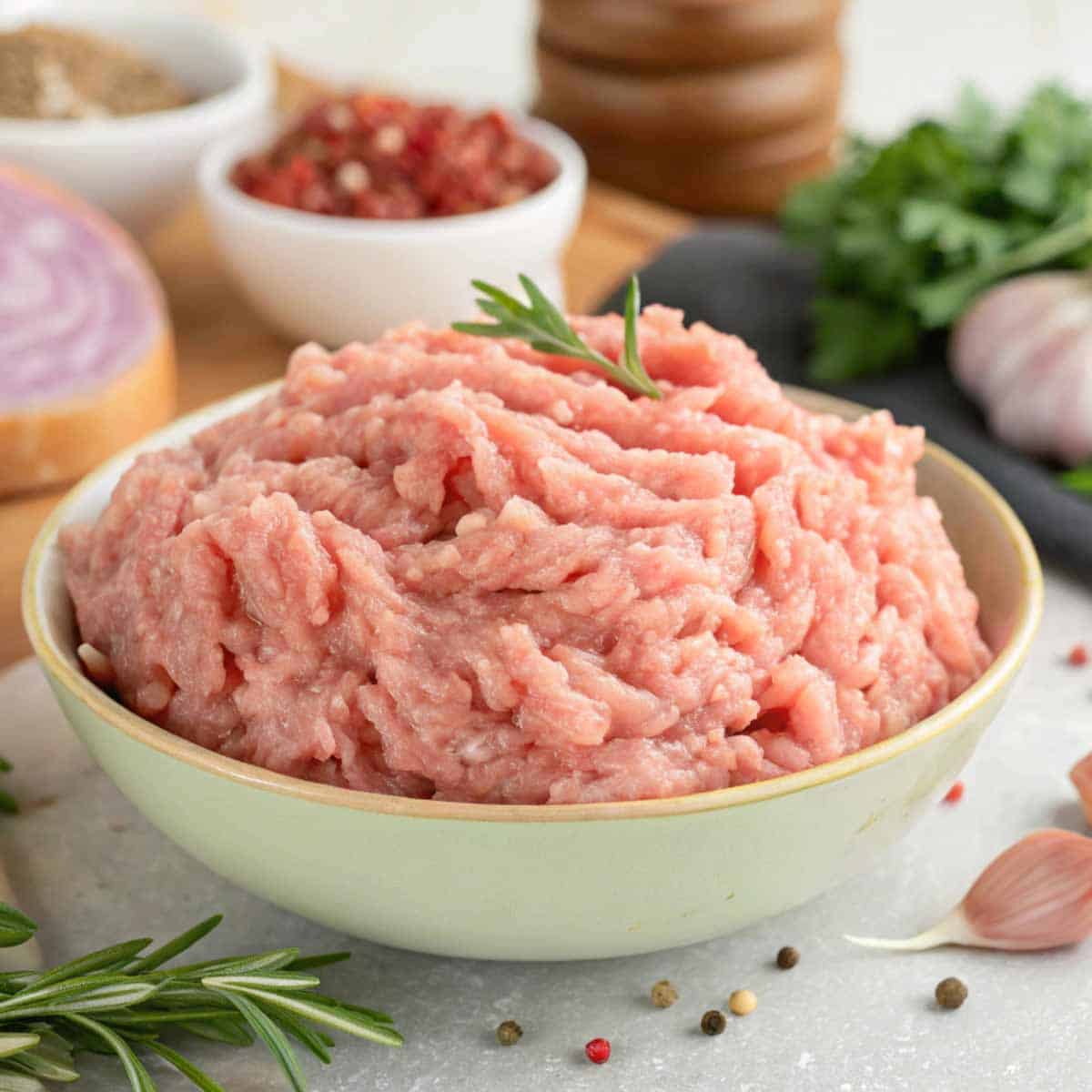
Ground turkey must reach 165°F throughout. Because the meat is ground, bacteria from the surface gets mixed throughout, so there’s no room for error. Use a thermometer to check burgers, meatballs, or meatloaf in the center.
Turkey Breast (Bone-In)
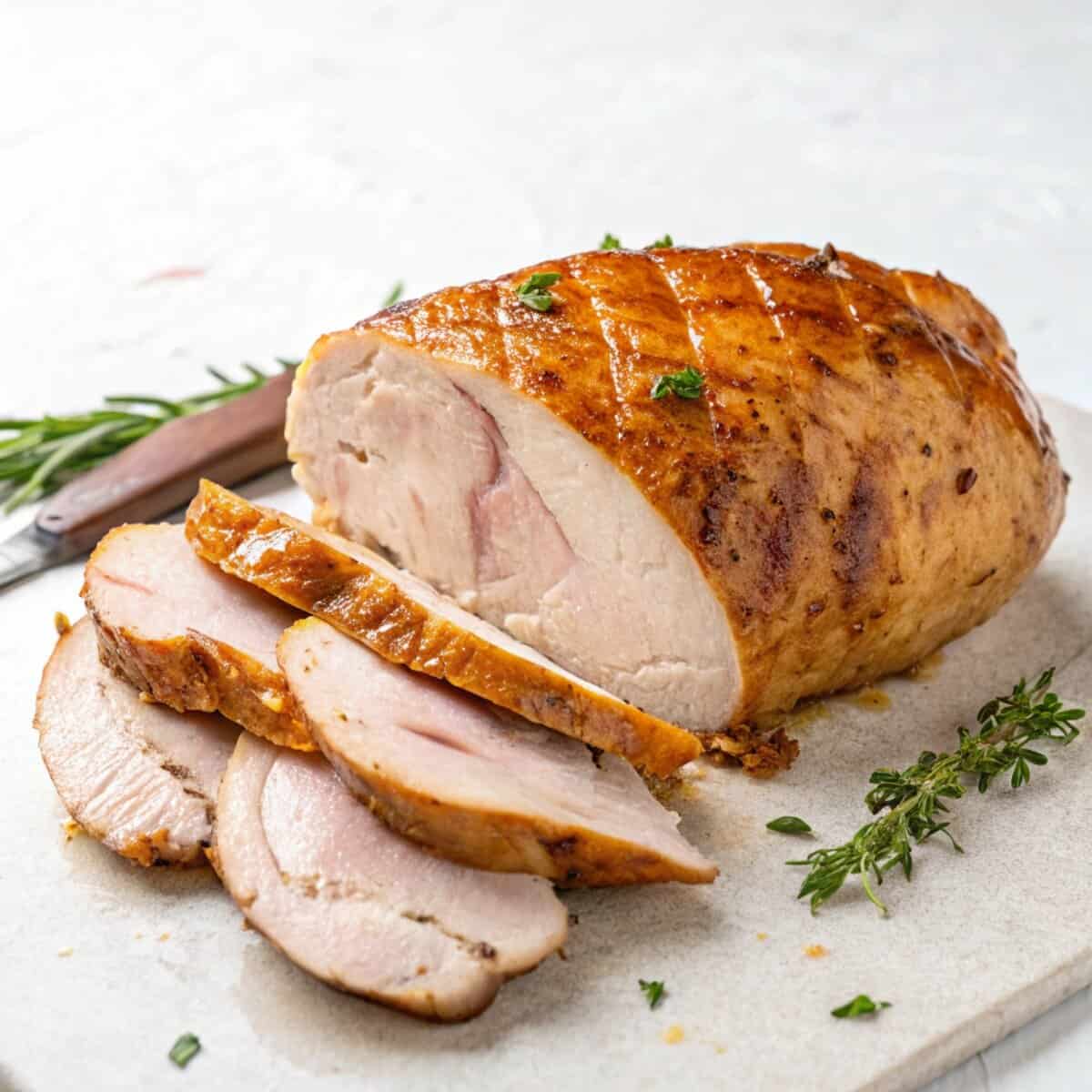
Cook to 165°F in the thickest part. Turkey breast is all white meat and dries out easily, so don’t go over 165°F.
Turkey Thighs and Drumsticks
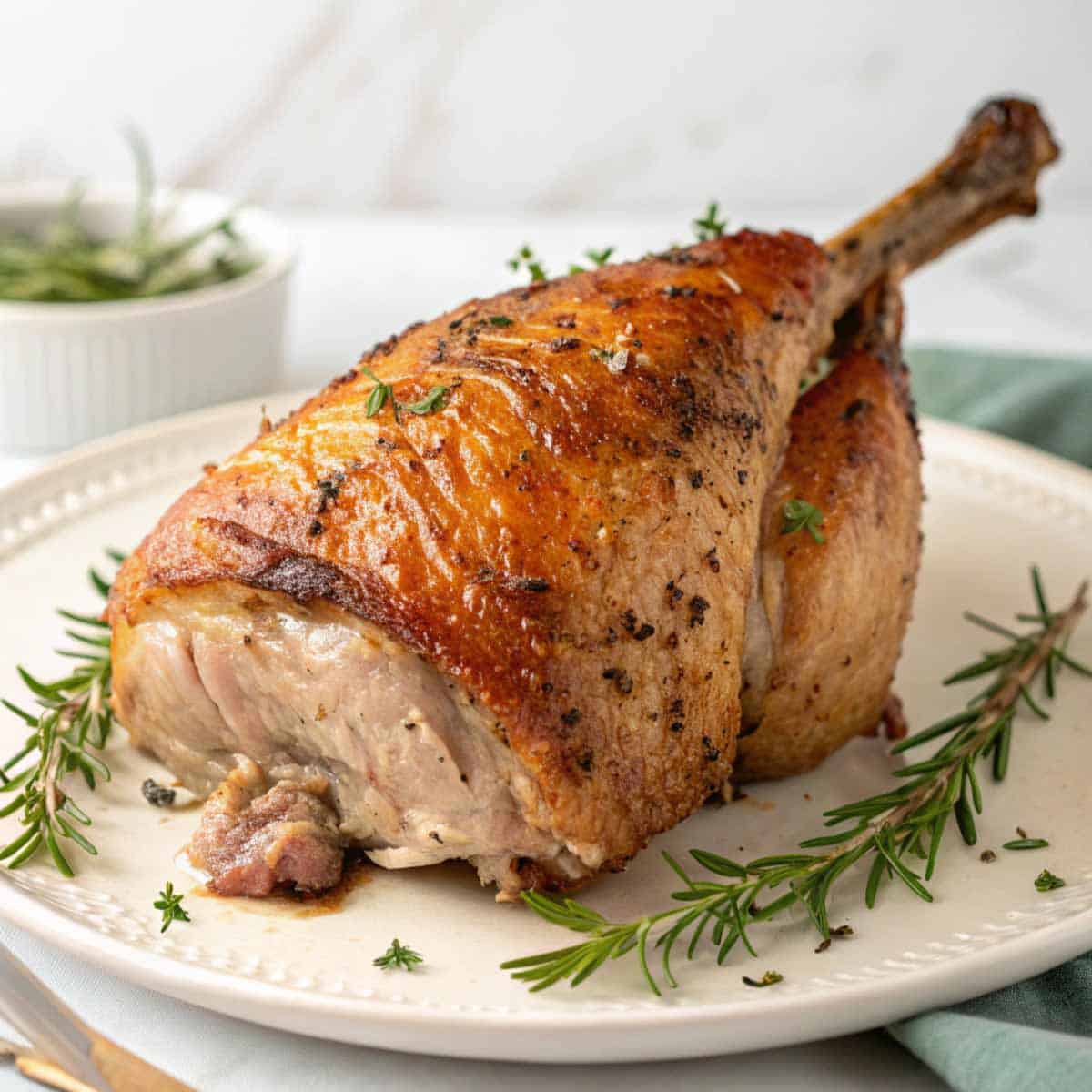
Dark meat is more forgiving and actually tastes better at 175-180°F. At this temperature, the connective tissue breaks down and the meat becomes fall-apart tender.
Turkey Wings
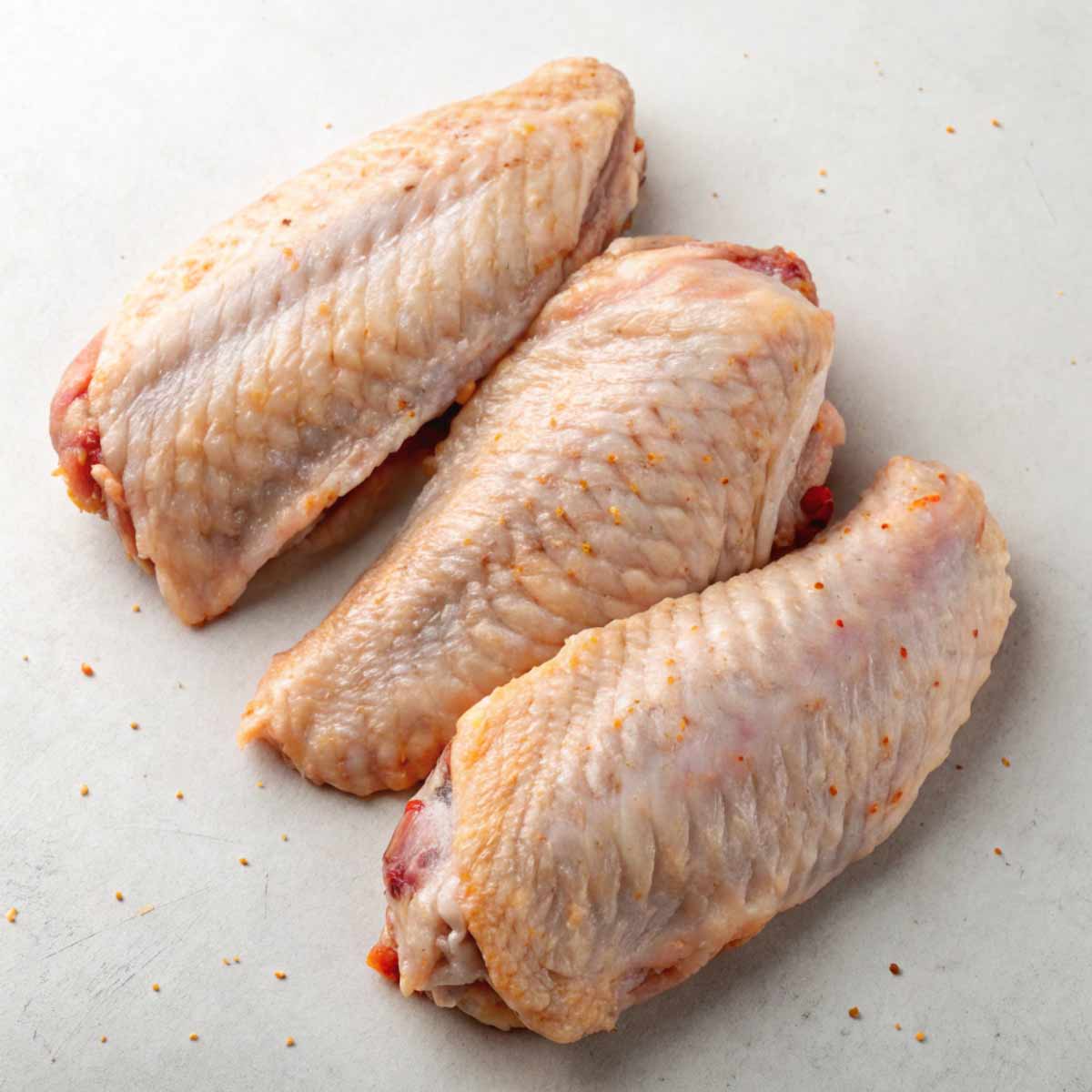
Cook to at least 165°F, but 175°F is better for tender, juicy wings.
How to Fix Undercooked Turkey
You’ve carved your turkey, served it, and someone points out it’s a bit pink. Don’t panic—here’s what to do:
For Slightly Undercooked Turkey (155-160°F):
- Return the turkey (or undercooked pieces) to a baking dish
- Cover with foil to prevent drying
- Return to a 350°F oven for 15-20 minutes
- Check temperature again—aim for 165°F
For Very Undercooked Turkey (Below 155°F):
- Carve the turkey into pieces
- Place in a baking dish with some broth
- Cover tightly with foil
- Bake at 350°F until all pieces reach 165°F (30-45 minutes)
Important: If turkey has been sitting at room temperature for over 2 hours after cooking, discard it. Don’t try to reheat and serve—it’s not worth the food safety risk.
Pink Turkey: Is It Safe?
Here’s something that freaks people out: sometimes turkey can look pink even when it’s fully cooked to 165°F. This happens because:
- Young turkeys: Younger birds have more porous bones that can leach pinkish color into the meat
- Smoking or grilling: Smoke can create a “smoke ring” that looks pink but is perfectly safe
- Acidic marinades: Can affect meat color
- Nitrates in water: Some municipal water contains nitrates that can turn turkey pink
The bottom line: If your thermometer reads 165°F in multiple spots, your turkey is safe to eat even if it looks slightly pink. Trust the thermometer, not just your eyes.
Resting Turkey: Why It Matters for Temperature
Resting isn’t just about juiciness—it also affects temperature. Here’s what happens during the rest:
Carryover Cooking
Internal temperature continues to rise 5-10°F after you remove the turkey from the oven. This is why you can actually pull your turkey at 160°F and let it coast to 165-170°F.
Juice Redistribution
During cooking, juices are pushed toward the surface. Resting allows them to redistribute throughout the meat, making every bite moist and flavorful.
How Long to Rest:
- Small turkey (8-12 lbs): 20 minutes
- Medium turkey (12-16 lbs): 30 minutes
- Large turkey (16-24 lbs): 30-45 minutes
Tent loosely with foil during resting—don’t wrap tightly or the steam will make the skin soggy.
Deep-Fried Turkey Temperature Guide
Deep-frying turkey is increasingly popular, but temperature is even more critical:
Oil Temperature:
Maintain oil at 350°F throughout cooking. Too low and the turkey absorbs oil and gets greasy; too high and the outside burns before the inside cooks.
Internal Temperature:
Same rule applies: 165°F in the thigh. Deep-frying cooks turkey much faster (about 3-4 minutes per pound), so start checking early.
Safety Tips:
- Turkey must be completely thawed and dried—water causes dangerous oil splattering
- Never fry indoors or on a wooden deck
- Use a thermometer to monitor both oil and turkey temperature
- Have a fire extinguisher nearby
Smoked Turkey Temperature Guide
Smoking turkey low and slow changes the game slightly:
- Smoking Temperature: Smoke at 225-250°F for best results. This takes longer but infuses incredible flavor.
- Internal Temperature: Still aim for 165°F minimum, but many pitmasters prefer 170-175°F in the thigh for smoked turkey. The longer cooking time means dark meat has time to break down and become tender.
- Smoking Time: Plan for 30-40 minutes per pound at 225-250°F. A 12-pound turkey takes 6-8 hours.
Turkey Temperature FAQs
Turkey can rest for up to 2 hours as long as the internal temperature stays above 140°F. Beyond that, it enters the danger zone where bacteria can grow.
This is normal! Carve off the parts that have reached 165°F and return the rest to the oven. The breast often finishes before the thighs.
Tent loosely with foil—don’t wrap tightly. This keeps turkey warm while allowing steam to escape so the skin stays crispy.
Yes, by 5-10°F. This is called carryover cooking. You can actually remove turkey from the oven at 160°F and let it coast to 165-170°F during resting.
Look for a thermometer accurate to within ±1-2°F. Test it in ice water (should read 32°F) to verify accuracy before using.
You can, but the breast will be very dry. If you prefer dark meat at 180°F, cook turkey parts separately so the breast doesn’t overcook.
Salmonella is killed instantly at 165°F. At lower temperatures (like 150°F), it takes several minutes to kill bacteria, which is why 165°F is the safe standard.
Don’t risk it! Thermometers are inexpensive and the only reliable way to ensure safety. Visual cues (clear juices, no pink meat) aren’t reliable enough when cooking for a crowd.
My Best Tips for Perfect Turkey Temperature Every Time
- Invest in a Good Thermometer: A quality instant-read thermometer (like ThermoWorks or OXO) is worth every penny. It’s the difference between perfectly cooked turkey and food poisoning or dry meat.
- Start Checking Early: Begin checking temperature 30-45 minutes before your estimated finish time. This prevents overcooking and gives you time to adjust if needed.
- Check Both Sides: Always check both thighs and both sides of the breast. Turkeys don’t cook evenly, especially if positioned unevenly in the oven.
- Keep a Written Log: Note what time you started cooking, what temperature you set, and when you checked the turkey. This helps you estimate timing for next year.
- Don’t Rush the Rest: Resting is not optional! Plan it into your timeline. Your turkey will be juicier and easier to carve.
- Have a Backup Plan: Keep extra sides warm in case your turkey takes longer than expected. It’s better to have turkey finish late than serve undercooked poultry.
- Practice Makes Perfect: Don’t make Thanksgiving your first time roasting a turkey! Do a practice run in October or November to work out the kinks.
Final Thoughts: Temperature is Your Best Friend
Cooking turkey doesn’t have to be stressful. With a reliable meat thermometer and the knowledge of where and when to check, you can serve perfectly cooked turkey every single time—juicy, flavorful, and completely safe.
Remember the magic number: 165°F in the thickest part of the thigh. Hit that temperature, let your turkey rest, and you’re golden. Everything else—the basting, the seasoning, the fancy techniques—is just bonus.
The difference between an okay turkey and a show-stopping turkey often comes down to those few degrees. Too low and it’s unsafe; too high and it’s dry. But hit that sweet spot, and you’ll have guests asking for your recipe (and your secret is simply respecting the thermometer!).
Now go forth and cook that turkey with confidence. You’ve got this!
Internal Temperature Guides

Cooking Basics
Whole Chicken Internal Temperature


Cooking Basics


