This post may contain affiliate links. Please read our disclosure policy.
Need an orzo substitute? We’ve got you covered with the best alternatives that work in soups, salads, and side dishes. From small pasta shapes to grains like rice and couscous, these swaps will save your recipe.
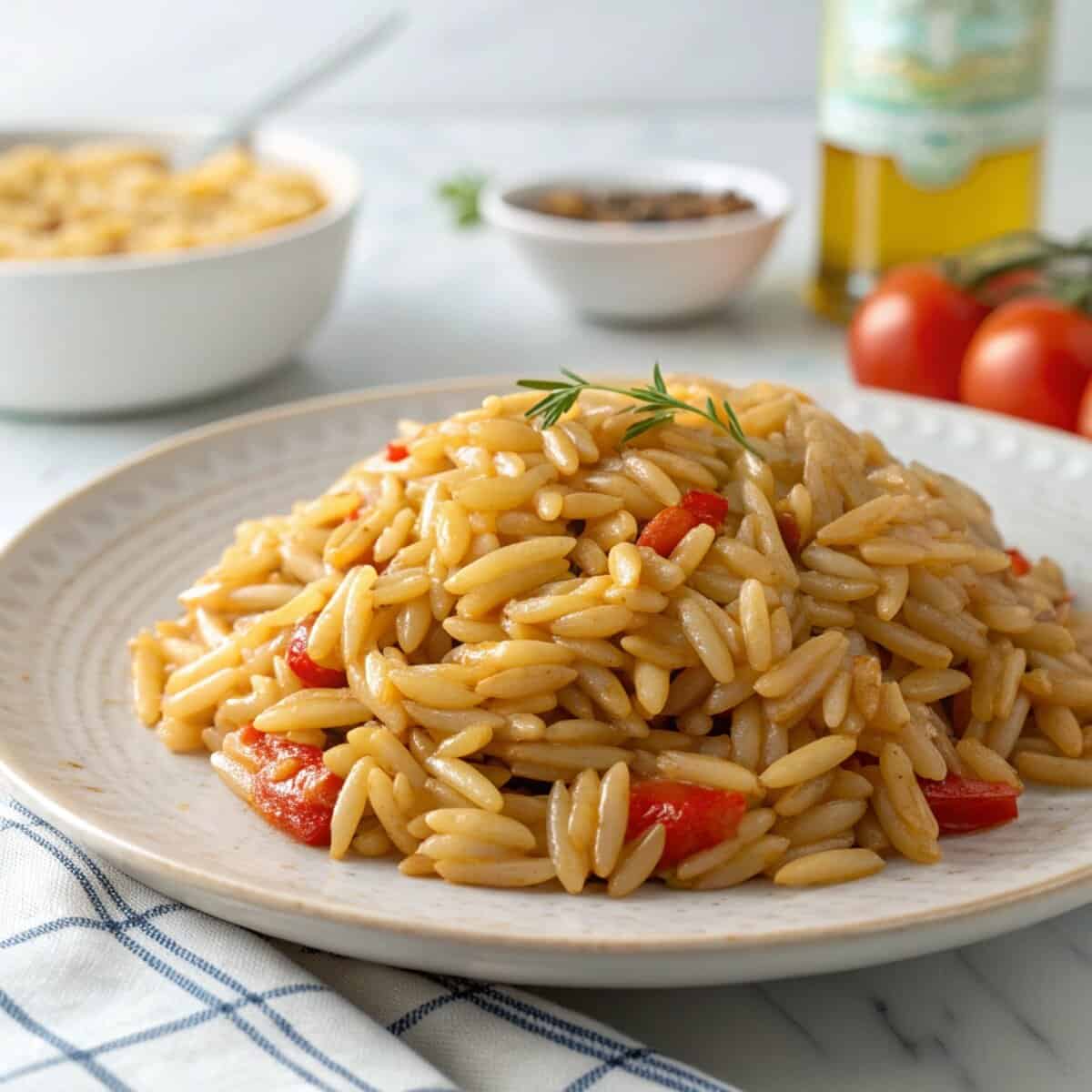
We’ve all been there – you’re ready to make a recipe that calls for orzo, and you realize you’re completely out. Or maybe you can’t find it at your grocery store (it happens more often than you’d think). The good news? There are plenty of great orzo substitutes that work just as well in most recipes.
Orzo is that rice-shaped pasta that’s perfect in soups, salads, and Mediterranean dishes. It’s small, it cooks quickly, and it has this nice way of soaking up whatever flavors you throw at it. But here’s the thing – the magic of orzo isn’t really about the specific pasta itself. It’s about the size, texture, and how it works in a dish.
We’ve tested all of these substitutes in various recipes – some in creamy pasta dishes, others in soups and salads – and we’re sharing exactly what works best and when. Whether you need a pasta substitute, a grain alternative, or even a gluten-free option, we’ve got the swap that’ll work for your recipe.
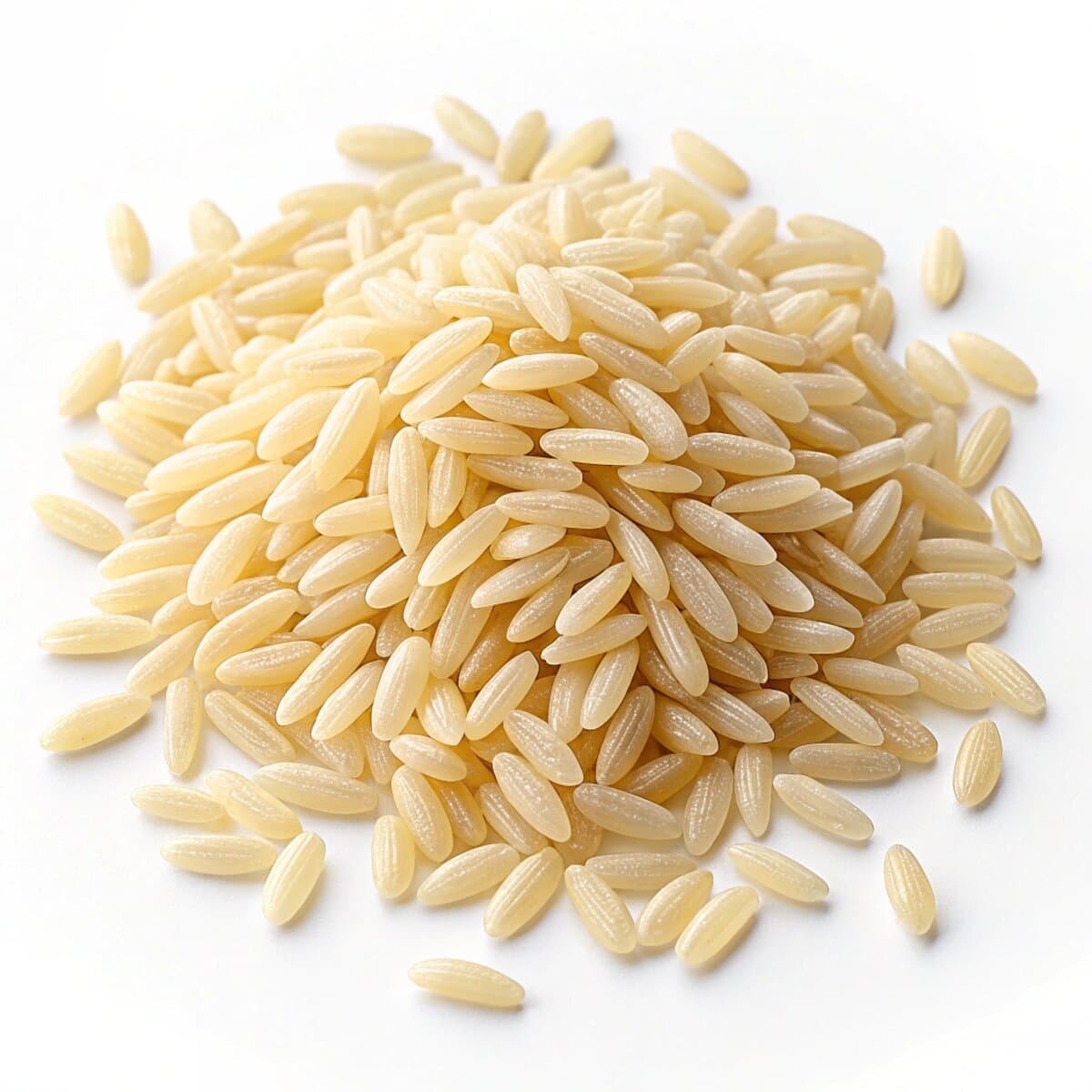
What Is Orzo?
Before we jump into substitutes, let’s talk about what orzo actually is. Orzo is a small, rice-shaped pasta made from wheat flour. Despite looking like a grain, it’s 100% pasta. The name “orzo” means “barley” in Italian because of its shape, but it’s not made from barley at all.
Orzo is popular in Mediterranean and Middle Eastern cooking. It’s used in soups (like Greek avgolemono), salads, side dishes, and even baked casseroles. What makes it special is its size and texture – it’s small enough to eat with a spoon, cooks in about 8-10 minutes, and has a tender, slightly chewy texture when cooked properly.
When you’re looking for a substitute, you want something with a similar size and cooking time that can absorb flavors well and work in the same type of dish.
Best Orzo Substitutes

1. Arborio Rice
Best for: Creamy dishes, risotto-style recipes, soups
Arborio rice is our top substitute for orzo in creamy dishes. It’s that short-grain rice used for risotto, and it has a similar size and shape to orzo. The texture is slightly different – more starchy and creamy – but that actually works beautifully in recipes where orzo would be cooked in broth or sauce.
How to use it: Substitute 1:1 for orzo. Cook arborio rice in broth, stirring frequently, until tender and creamy (about 18-20 minutes). It takes longer than orzo, so plan accordingly.
Works great in: Greek lemon chicken soup, creamy orzo dishes, Mediterranean-style sides
Skip it for: Cold pasta salads (the texture gets gummy when cold)
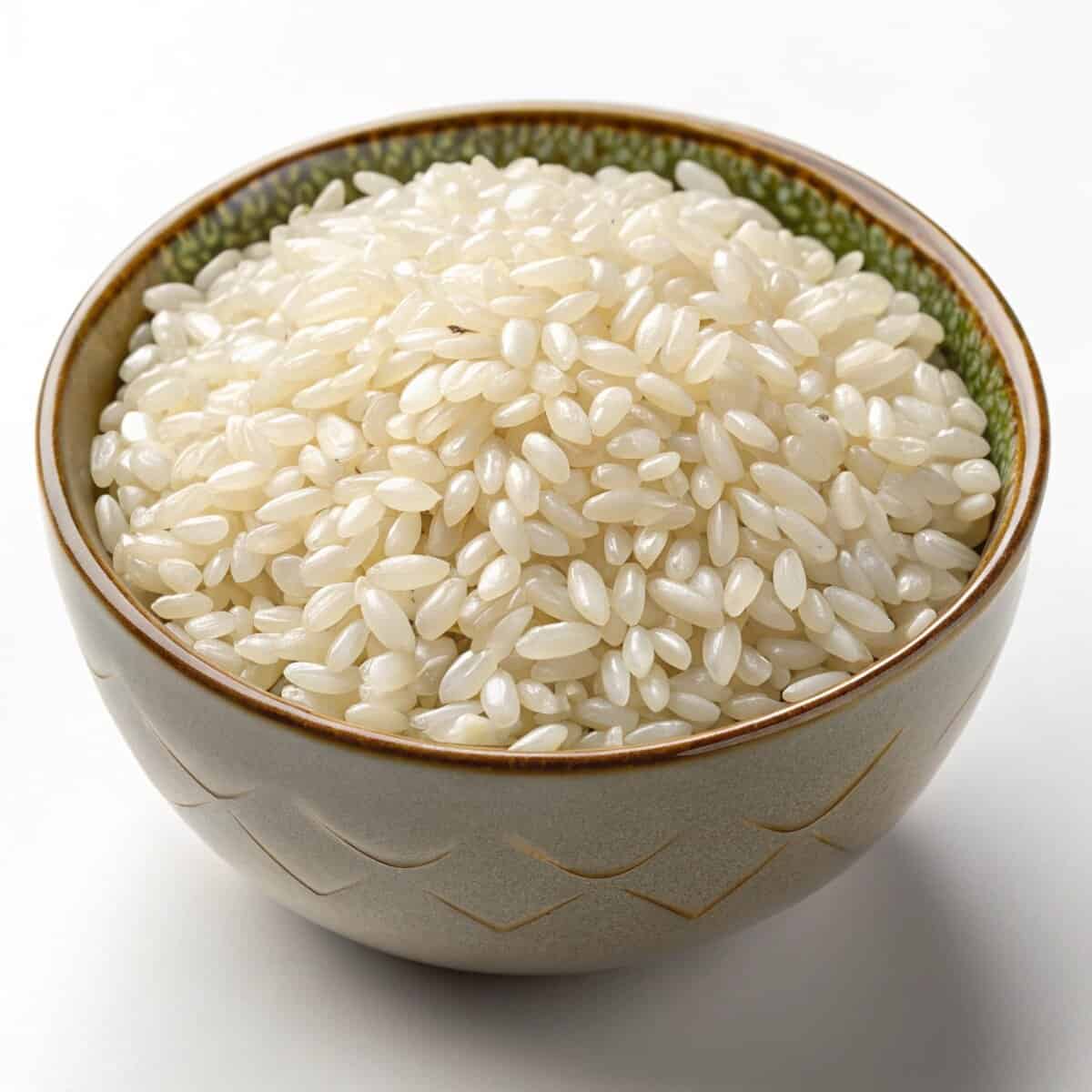
2.Couscous (Pearl Couscous)
Best for: Salads, side dishes, pilaf-style recipes
Israeli couscous is probably the closest match to orzo in terms of size and versatility. These little pearl-shaped pasta balls have a similar texture and cooking time to orzo. They’re slightly chewier, which some people actually prefer.
How to use it: Substitute 1:1 for orzo. Toast in a dry pan first for extra flavor, then cook in boiling water or broth for 8-10 minutes.
Works great in: Pasta salads, Mediterranean bowls, as a side dish with roasted vegetables
Skip it for: Very delicate soups where you want something that disappears into the broth

3. Ditalini Pasta
Best for: Soups, pasta salads, any orzo recipe
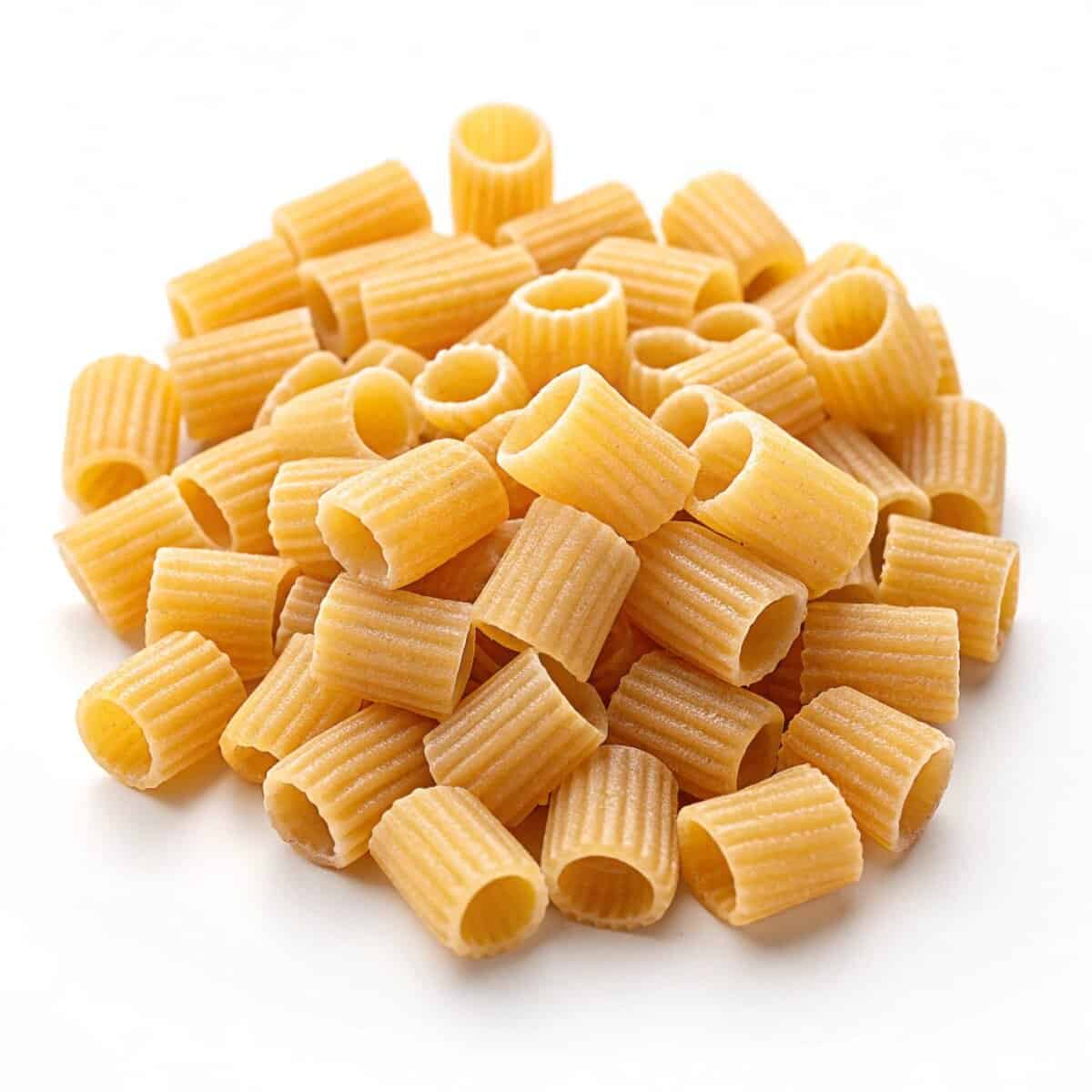
Ditalini is a small tube-shaped pasta that’s very similar in size to orzo. It’s what we reach for when we want an actual pasta substitute. The texture is slightly different (tubular instead of rice-shaped), but it works in almost every recipe that calls for orzo.
How to use it: Substitute 1:1 for orzo. Cook according to package directions, usually 8-9 minutes in boiling salted water.
Works great in: Minestrone soup, pasta salads, baked pasta dishes
Skip it for: Recipes where the rice-like appearance of orzo is important for presentation
4. Acini di Pepe
Best for: Soups, salads, side dishes
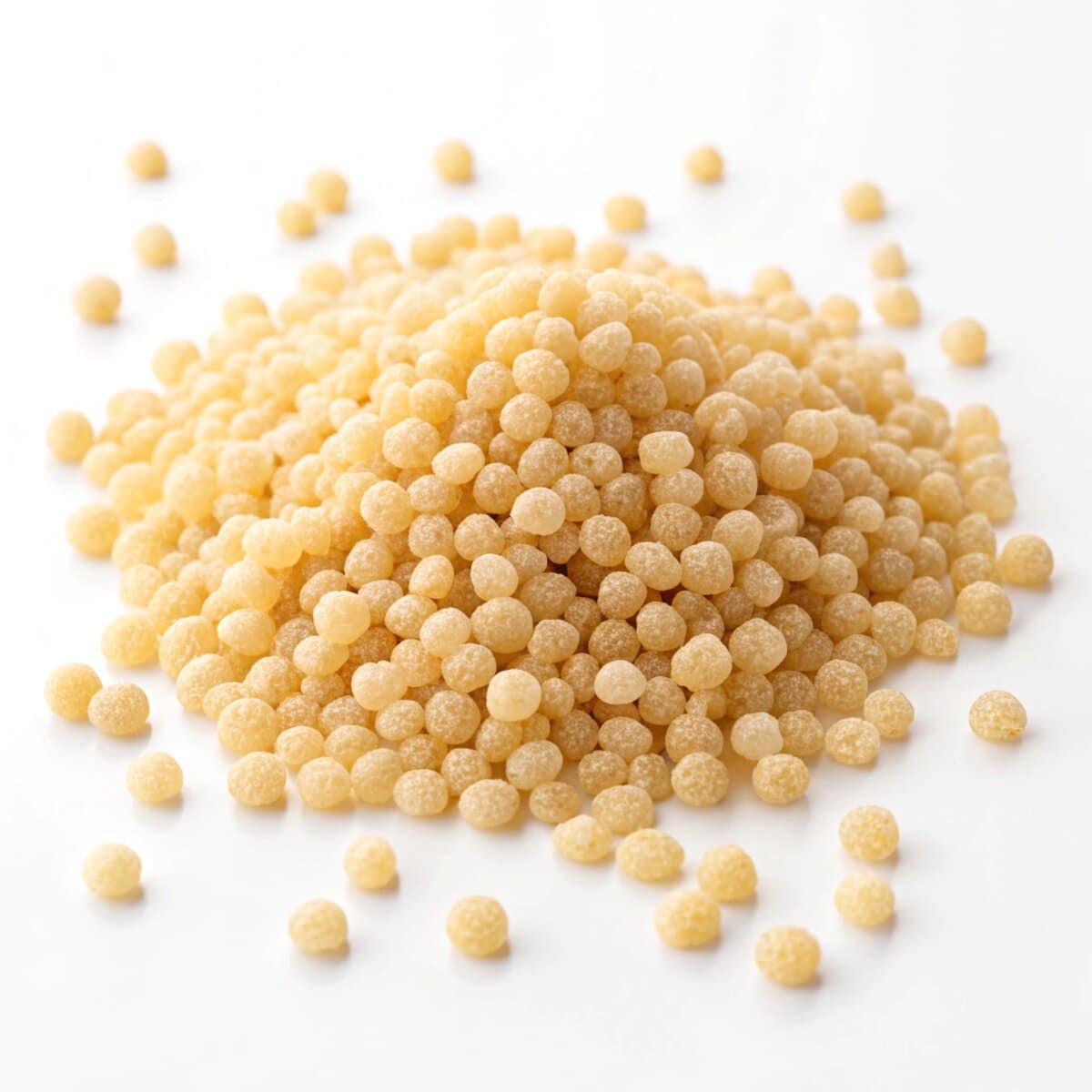
Acini di pepe means “peppercorns” in Italian, and these tiny pasta balls live up to the name. They’re smaller than orzo but work beautifully as a substitute. We love them in soups where you want tiny bits of pasta in every spoonful.
How to use it: Substitute 1:1 for orzo. Cook in boiling water for 6-8 minutes. They cook faster than orzo, so watch them carefully.
Works great in: Italian wedding soup, light summer salads, as a base for grain bowls
Skip it for: Recipes where orzo is the star (they’re quite small and can disappear)
5. Regular Long-Grain Rice
Best for: Side dishes, stuffed vegetables, casseroles
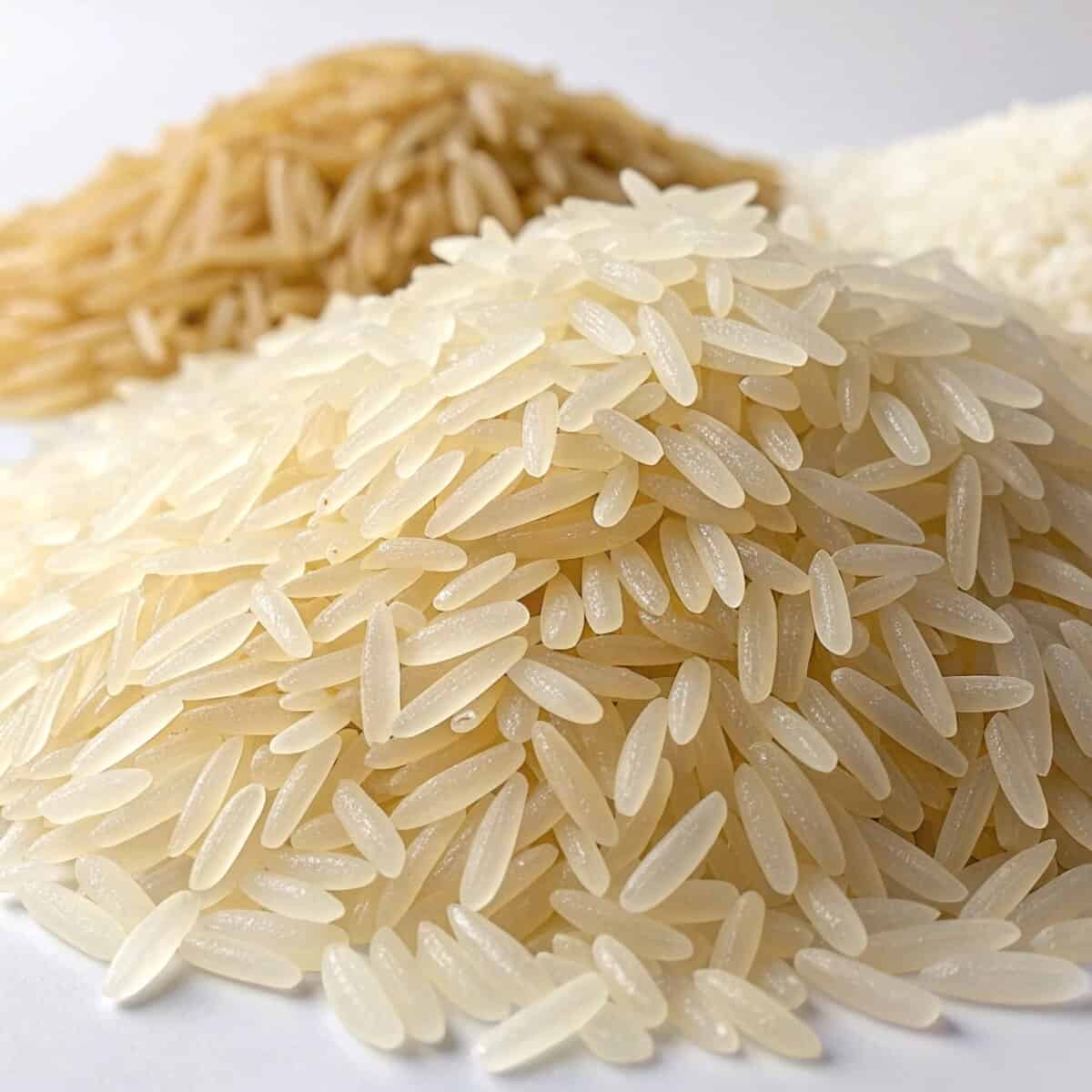
Plain white or brown rice isn’t shaped like orzo, but it works surprisingly well as a substitute in many recipes. We use this when we’re out of pasta entirely and need something that’ll absorb flavors and provide bulk.
How to use it: Substitute 1:1 for orzo. Cook white rice for 15-18 minutes, brown rice for 40-45 minutes. Add it to recipes at the appropriate time based on cooking duration.
Works great in: Stuffed peppers, baked casseroles, as a side with grilled meats
Skip it for: Cold pasta salads or recipes where the pasta texture is essential
6. Quinoa
Best for: Gluten-free recipes, grain bowls, salads
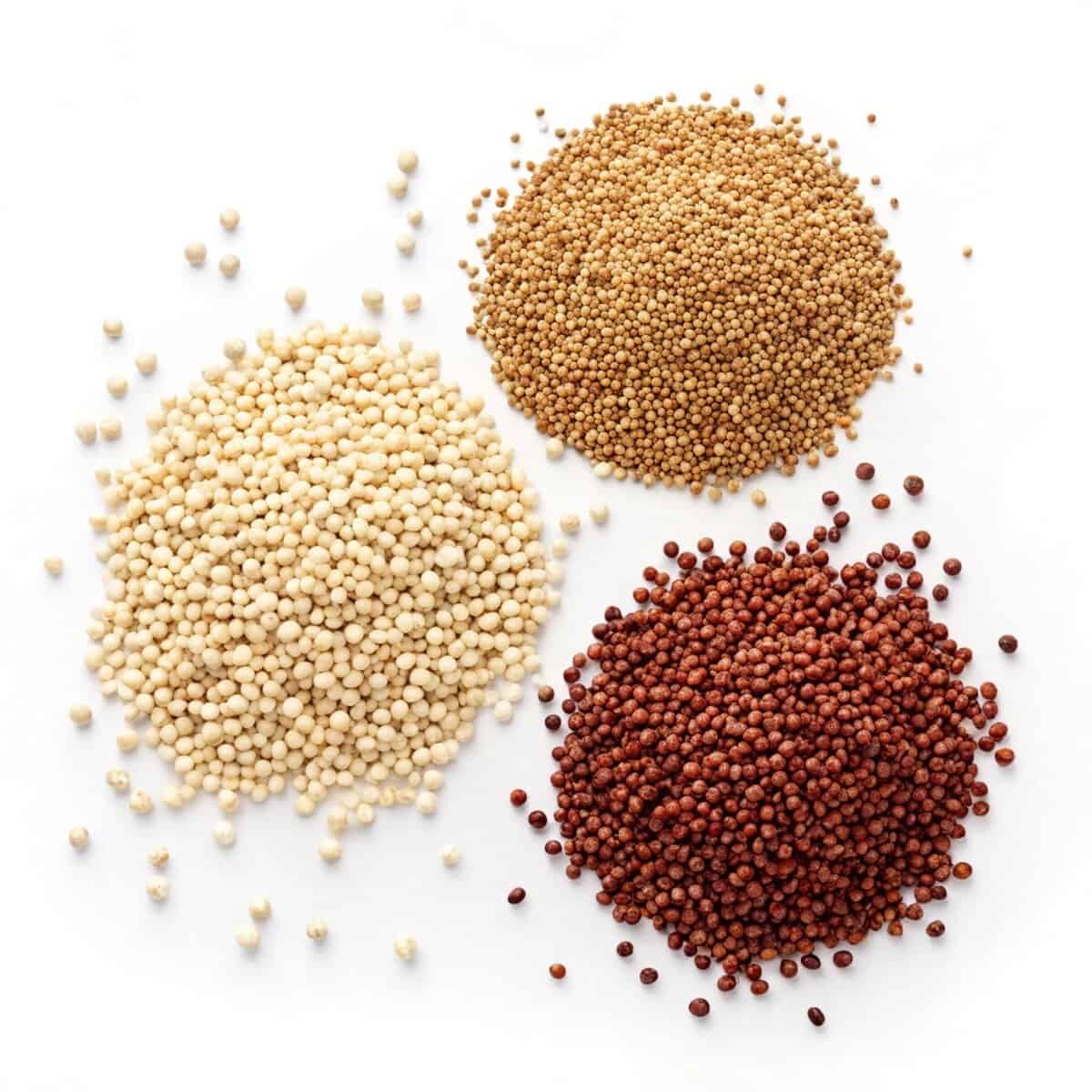
Quinoa is our go-to gluten-free substitute for orzo. It’s about the same size, cooks relatively quickly, and has a mild, nutty flavor that works in most orzo recipes. Plus, it’s packed with protein.
How to use it: Substitute 1:1 for orzo. Rinse quinoa first, then cook in a 2:1 ratio of liquid to quinoa for about 15 minutes.
Works great in: Mediterranean salads, as a side dish, in grain bowls
Skip it for: Traditional Italian recipes where pasta texture is important
7. Regular Couscous
Best for: Quick side dishes, salads, light meals
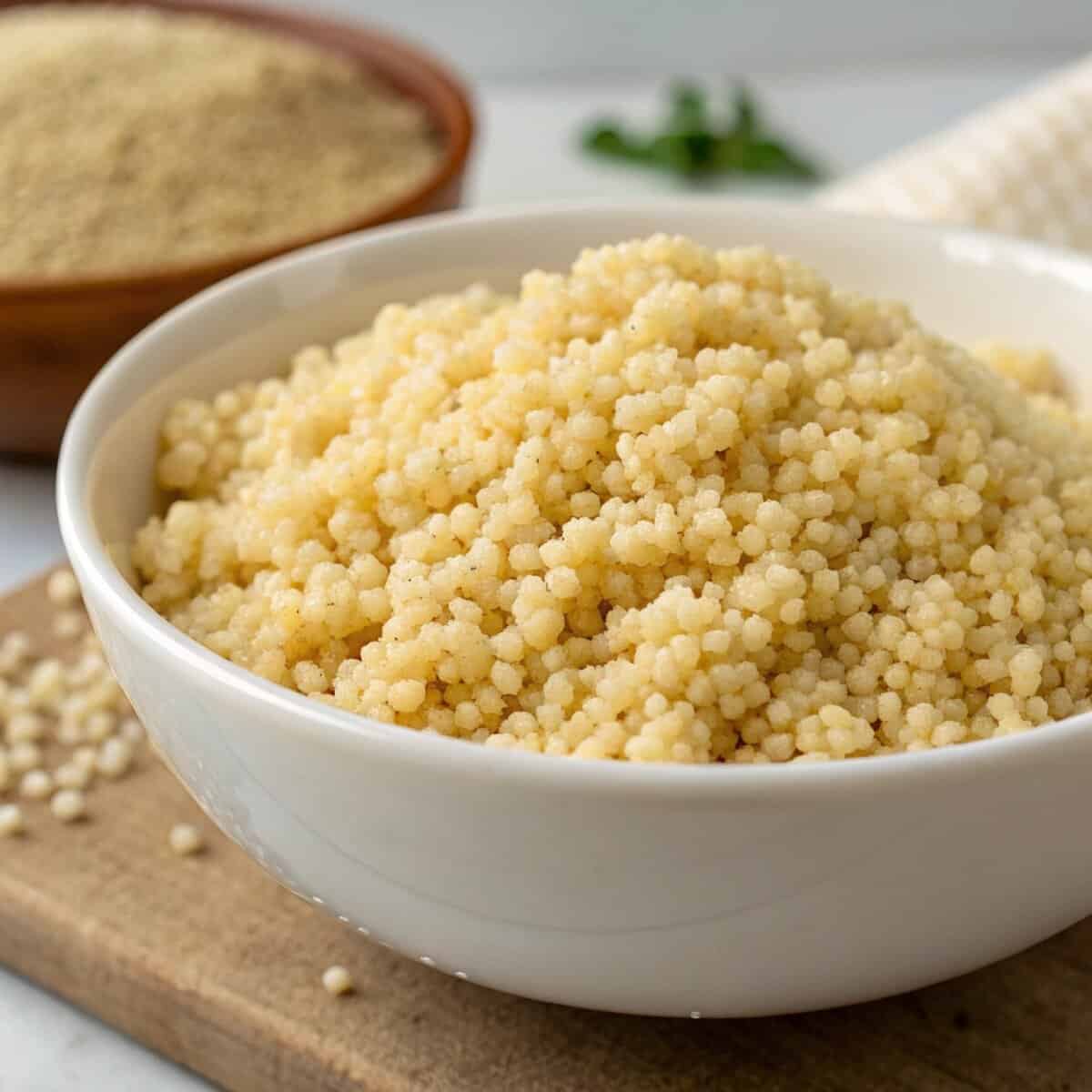
Regular couscous (not Israeli) is much smaller than orzo, but it’s incredibly quick to prepare and works well in many of the same applications. It’s technically tiny pasta, just like orzo.
How to use it: Substitute 1:1 for orzo. Pour boiling water or broth over couscous, cover, and let sit for 5 minutes. Fluff with a fork.
Works great in: Quick weeknight sides, light summer salads, as a base for stews
Skip it for: Soups (it gets too mushy) or recipes requiring longer cooking times
8. Pastina (Tiny Star Pasta)
Best for: Soups, comfort food recipes
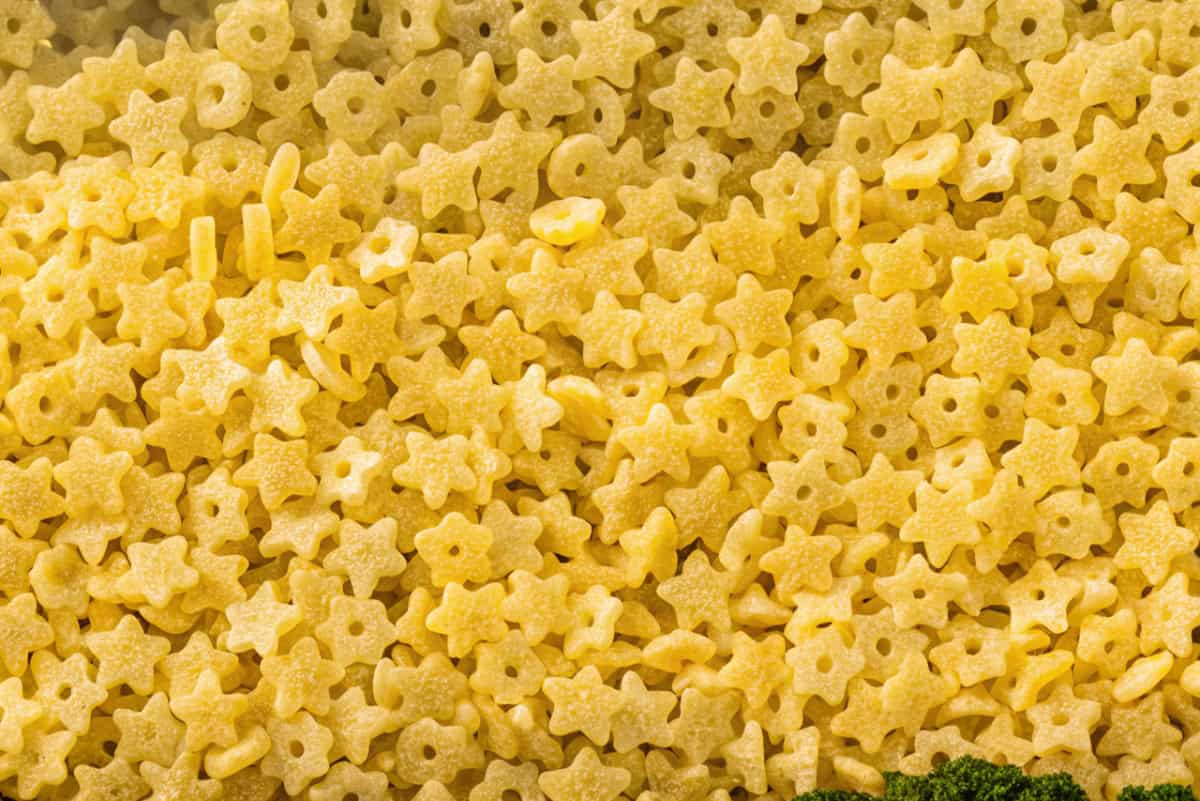
Pastina is the tiny star-shaped pasta often used in Italian soups. It’s smaller than orzo but works well in broths and light dishes. We grew up eating this in chicken soup, and it’s a perfect orzo substitute for those applications.
How to use it: Substitute 1:1 for orzo. Cook in boiling water or directly in soup for 6-8 minutes.
Works great in: Chicken soup, vegetable soups, simple butter and cheese pasta
Skip it for: Pasta salads or dishes where you want more substantial texture
9. Farro
Best for: Hearty salads, grain bowls, side dishes
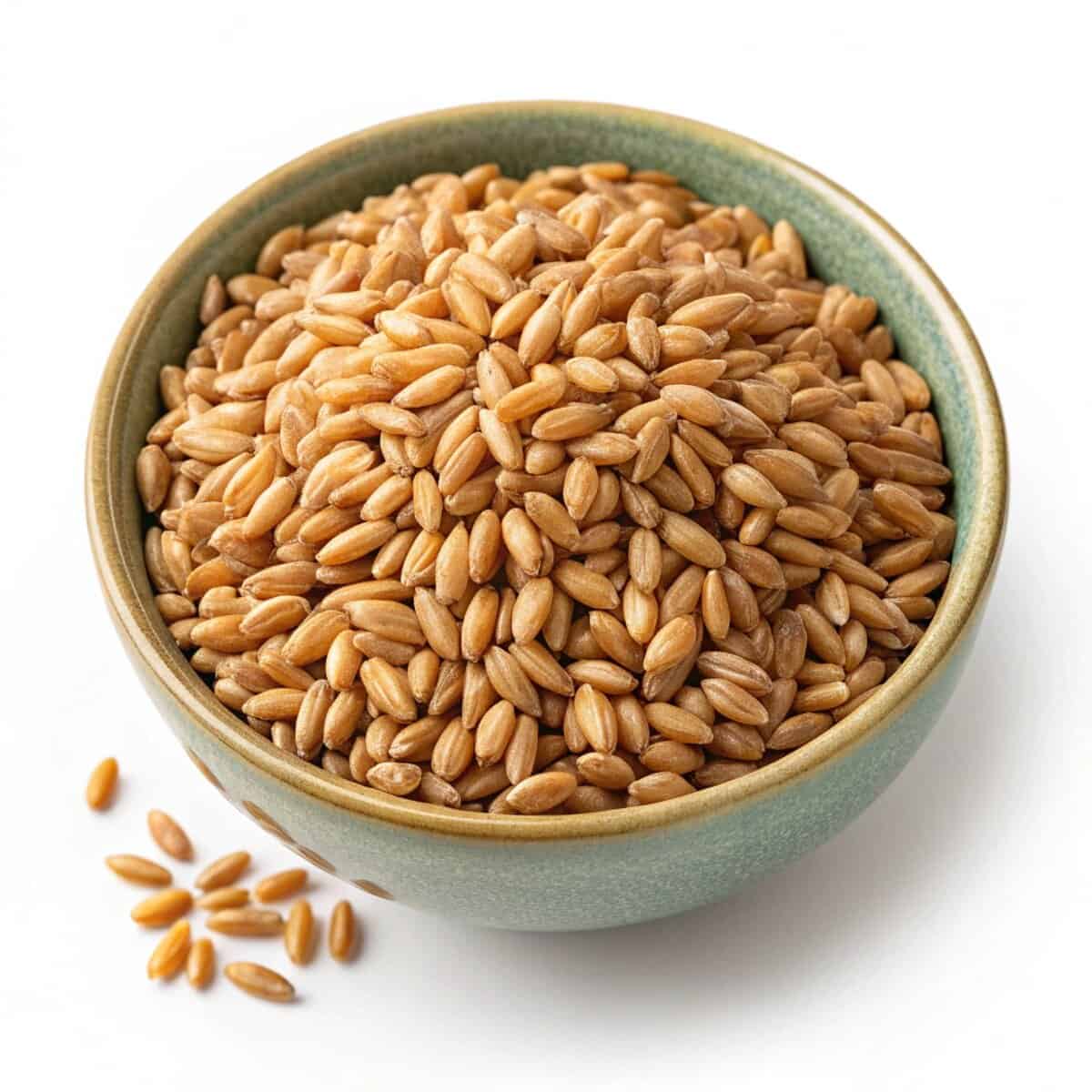
Farro is an ancient grain that’s slightly larger than orzo but has a wonderful chewy texture and nutty flavor. We love it as a heartier, more nutritious substitute.
How to use it: Use slightly less farro than orzo (about ¾ cup farro for 1 cup orzo). Cook in boiling water for 25-30 minutes until tender but still chewy.
Works great in: Mediterranean grain salads, as a side dish with roasted vegetables, in warm grain bowls
Skip it for: Delicate soups or recipes requiring quick cooking
10. Small Elbow Macaroni
Best for: Casseroles, pasta salads, baked dishes
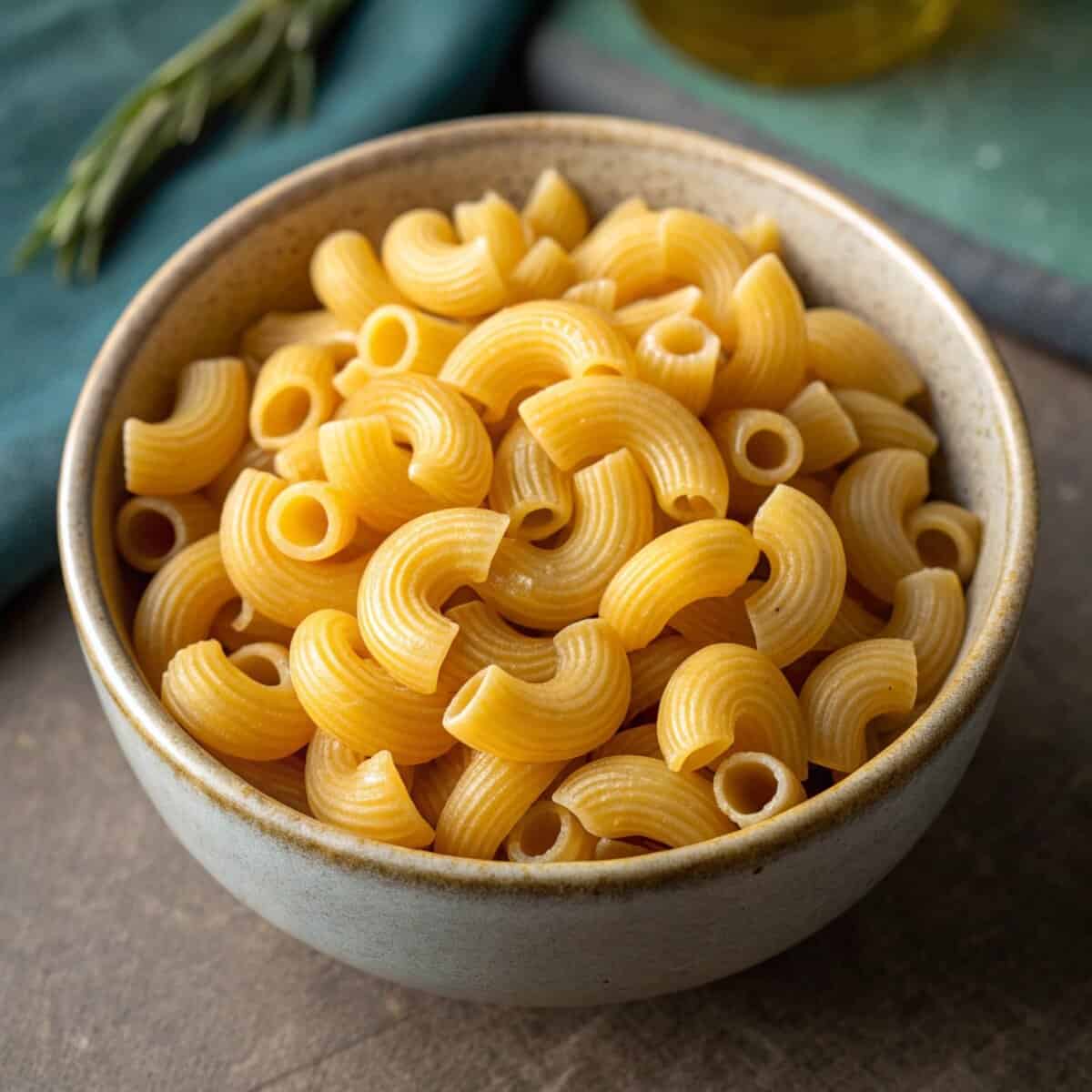
When all else fails, small elbow macaroni works in most orzo recipes. It’s shaped differently, but the size is comparable and it’s something most people have in their pantry.
How to use it: Substitute 1:1 for orzo. Cook according to package directions, usually 7-9 minutes.
Works great in: Baked pasta dishes, macaroni salad, casseroles
Skip it for: Elegant presentations or traditional Mediterranean dishes
Orzo Substitute Conversion Chart
| Substitute | Best Used For | Cooking Time | Gluten-Free? |
|---|---|---|---|
| Arborio Rice | Creamy dishes, soups | 18-20 min | Yes |
| Israeli Couscous | Salads, sides | 8-10 min | No |
| Ditalini | Soups, salads | 8-9 min | No |
| Acini di Pepe | Soups, light dishes | 6-8 min | No |
| Long-Grain Rice | Casseroles, stuffed veggies | 15-45 min | Yes |
| Quinoa | Salads, bowls | 15 min | Yes |
| Regular Couscous | Quick sides, salads | 5 min | No |
| Pastina | Soups | 6-8 min | No |
| Farro | Hearty salads, bowls | 25-30 min | No |
| Elbow Macaroni | Casseroles, salads | 7-9 min | No |
How to Choose the Right Orzo Substitute

- For soups: Use arborio rice, ditalini, acini di pepe, or pastina. You want something that holds up in liquid without getting mushy.
- For pasta salads: Israeli couscous, ditalini, quinoa, or regular couscous work best. They maintain their texture when cold and absorb dressings well.
- For creamy dishes: Arborio rice is your best bet. It creates that same creamy, comforting texture you’d get with orzo in a creamy sauce.
- For gluten-free recipes: Arborio rice, quinoa, or regular rice are your options. Quinoa adds extra protein and nutrition.
- For quick cooking: Regular couscous wins here – it’s ready in 5 minutes. Israeli couscous and most small pastas are close behind at 8-10 minutes.
- For texture: If you want the closest texture match, go with Israeli couscous or ditalini. They’re both pasta with similar chew and mouthfeel.
- For nutrition: Quinoa and farro pack the most nutritional punch with extra protein, fiber, and nutrients.
Tips for Substituting Orzo
- Adjust cooking times. Most orzo substitutes have different cooking times. Always check the package directions and taste for doneness.
- Consider the final dish. Cold salads work better with some substitutes (Israeli couscous, quinoa) than others (arborio rice gets gummy when cold).
- Toast for extra flavor. Israeli couscous, regular couscous, and even rice taste better when toasted in a dry pan before cooking.
- Season the cooking liquid. Since these substitutes absorb the liquid they cook in, use broth instead of water or add salt to your cooking water.
- Watch the liquid ratio. Rice and quinoa need specific water-to-grain ratios. Pasta can just be cooked in plenty of boiling water and drained.
- Don’t overcook. Small pastas and grains can go from perfectly done to mushy quickly. Set a timer and taste-test frequently.
- Add at the right time. If you’re adding your substitute to a soup or stew, remember that different ingredients have different cooking times. Add rice earlier than you would orzo.
FAQ
Israeli couscous (pearl couscous) is the closest match in size, texture, and cooking time. Ditalini pasta is also very similar if you want another pasta option.
Yes! Arborio rice works especially well in creamy dishes and soups. Regular long-grain rice works in casseroles and stuffed vegetables. Keep in mind rice takes longer to cook than orzo.
Ditalini, acini di pepe, pastina, or arborio rice all work well in soup. They hold up in liquid and have similar cooking times to orzo.
Yes, quinoa works as a gluten-free substitute. It’s about the same size as orzo and has a mild flavor. Cook it separately and add it to your recipe, or cook it directly in the dish if there’s enough liquid.
Quinoa, arborio rice, regular rice, or gluten-free orzo-shaped pasta (available at many stores) are all good gluten-free options.
You can, but it’s not ideal. Break spaghetti into small pieces and cook it in your recipe. The texture will be different, but it works in a pinch for soups and casseroles.
Use a 1:1 ratio – the same amount of rice as orzo called for in the recipe. Just remember rice takes longer to cook, so adjust your timing.
Ditalini, acini di pepe, pastina, and small stars are all similar small pasta shapes. Israeli couscous (which is technically pasta) is also very similar.
Yes! Orzo can replace rice in many dishes like stuffed peppers, casseroles, or as a side dish. It cooks much faster than rice, so adjust your cooking time accordingly.
They’re nutritionally similar, though it depends on the type. Whole wheat orzo has more fiber than white rice, while brown rice has more nutrients than regular orzo. Quinoa is the most nutritious substitute option.
Orzo is usually in the pasta aisle near other small pasta shapes. Some stores also stock it in the international foods section near Mediterranean or Middle Eastern ingredients.
Whether you’re out of orzo, can’t find it at the store, or just want to try something different, these substitutes will work beautifully in your recipes. Each one brings something slightly different to the table, so don’t be afraid to experiment and find your favorite!