


This post may contain affiliate links. Please read our disclosure policy.
Out of chicken bouillon cubes? These 9 substitutes work perfectly in soups, sauces, rice dishes, and more. From chicken broth to homemade alternatives, find the best swap for your recipe with exact conversion ratios.
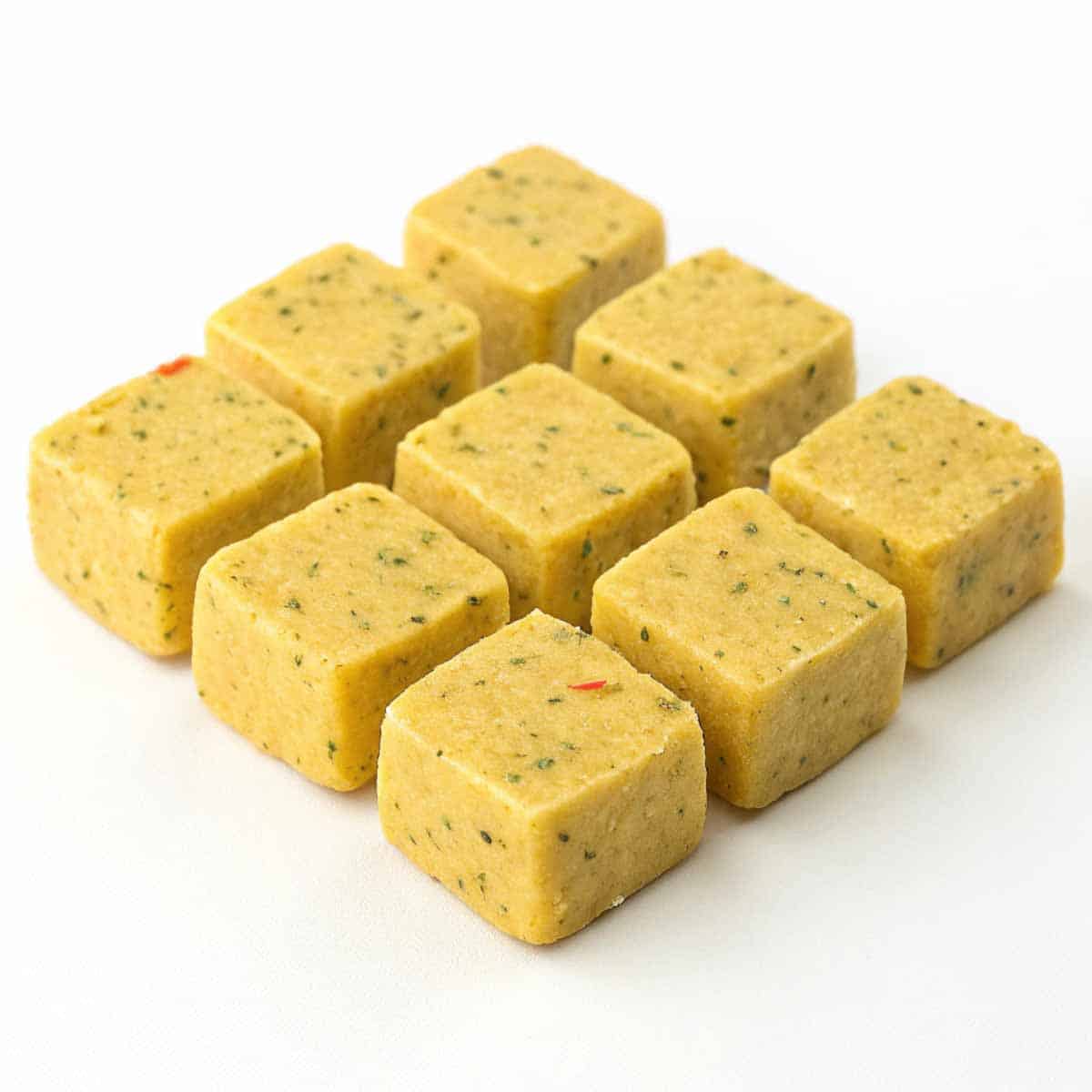
We’ve all been there – you’re in the middle of making soup or seasoning rice, the recipe calls for chicken bouillon cubes, and you realize you’re completely out. Or maybe you just want to avoid the MSG and excess sodium that comes in most bouillon cubes.
The good news? You have plenty of options already in your kitchen. Chicken bouillon cubes are basically just concentrated chicken flavor and salt, so any ingredient that brings savory, chicken-y taste can work as a substitute. Some swaps are better than others depending on what you’re making, but we’ve tested all of these and we’ll tell you exactly when to use each one.
What Are Chicken Bouillon Cubes?
Before we jump into substitutes, let’s talk about what bouillon cubes actually are. Chicken bouillon cubes are compressed blocks of dehydrated chicken stock, salt, fat, and seasonings. One cube typically makes about 1 cup of broth when dissolved in hot water.
They’re convenient for adding quick chicken flavor to soups, stews, sauces, rice, pasta, and vegetables. The downside? Most brands are loaded with sodium (often 900-1200mg per cube), MSG, and artificial flavors. That’s why many people look for substitutes.
Best Chicken Bouillon Cube Substitutes
1. Chicken Broth or Chicken Stock
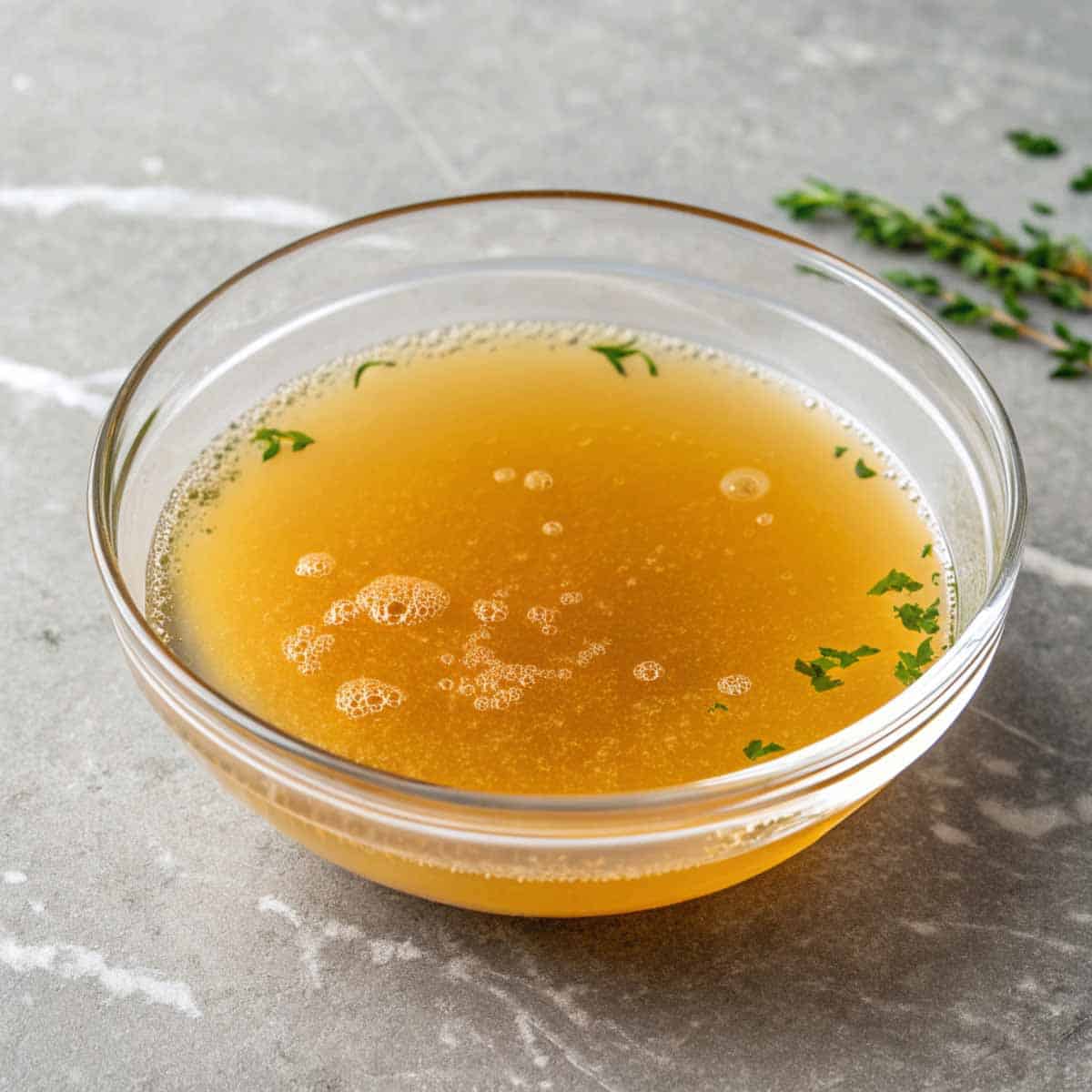
Best for: Soups, stews, sauces, cooking grains
This is the closest substitute to bouillon cubes because it’s literally what bouillon is trying to replicate – just in concentrated form. Chicken broth is more flavorful with added seasonings, while chicken stock is made from bones and has more body.
How to substitute:
- 1 chicken bouillon cube = 1 cup chicken broth or stock
- If your recipe calls for dissolving a cube in water, just use broth instead of the water + cube combo
- For recipes where the cube is added directly (like to rice), you’ll need to replace some of the cooking liquid with broth
Pros: Natural flavor, no artificial ingredients, readily available
Cons: Less concentrated, adds extra liquid to recipes, needs refrigeration after opening
Adjustment tip: Store-bought broth can be less salty than bouillon. Taste and add salt as needed.
| Bouillon Cubes | Chicken Broth/Stock |
|---|---|
| 1 cube | 1 cup broth |
| 2 cubes | 2 cups broth |
| 3 cubes | 3 cups broth |
2. Better Than Bouillon (Chicken Base)
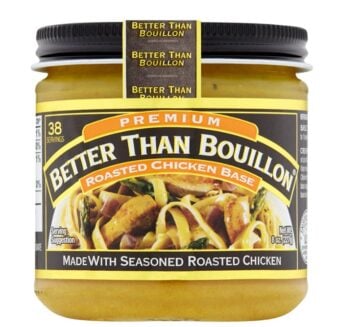
Best for: Any recipe calling for bouillon cubes
Better Than Bouillon is a concentrated chicken paste that we actually prefer over bouillon cubes. It has better flavor, fewer artificial ingredients, and comes in regular and organic versions. It’s become our go-to replacement.
How to substitute:
- 1 chicken bouillon cube = 1 teaspoon Better Than Bouillon + 1 cup hot water
- Or use directly in recipes: 1 teaspoon per cup of liquid needed
Pros: Better flavor than cubes, more natural ingredients, easy to control strength, lasts months in the fridge
Cons: Needs refrigeration, slightly more expensive than cubes
Why we love it: The roasted chicken flavor is much more authentic than bouillon cubes, and you can adjust the intensity easily.
3. Homemade Chicken Bouillon Concentrate
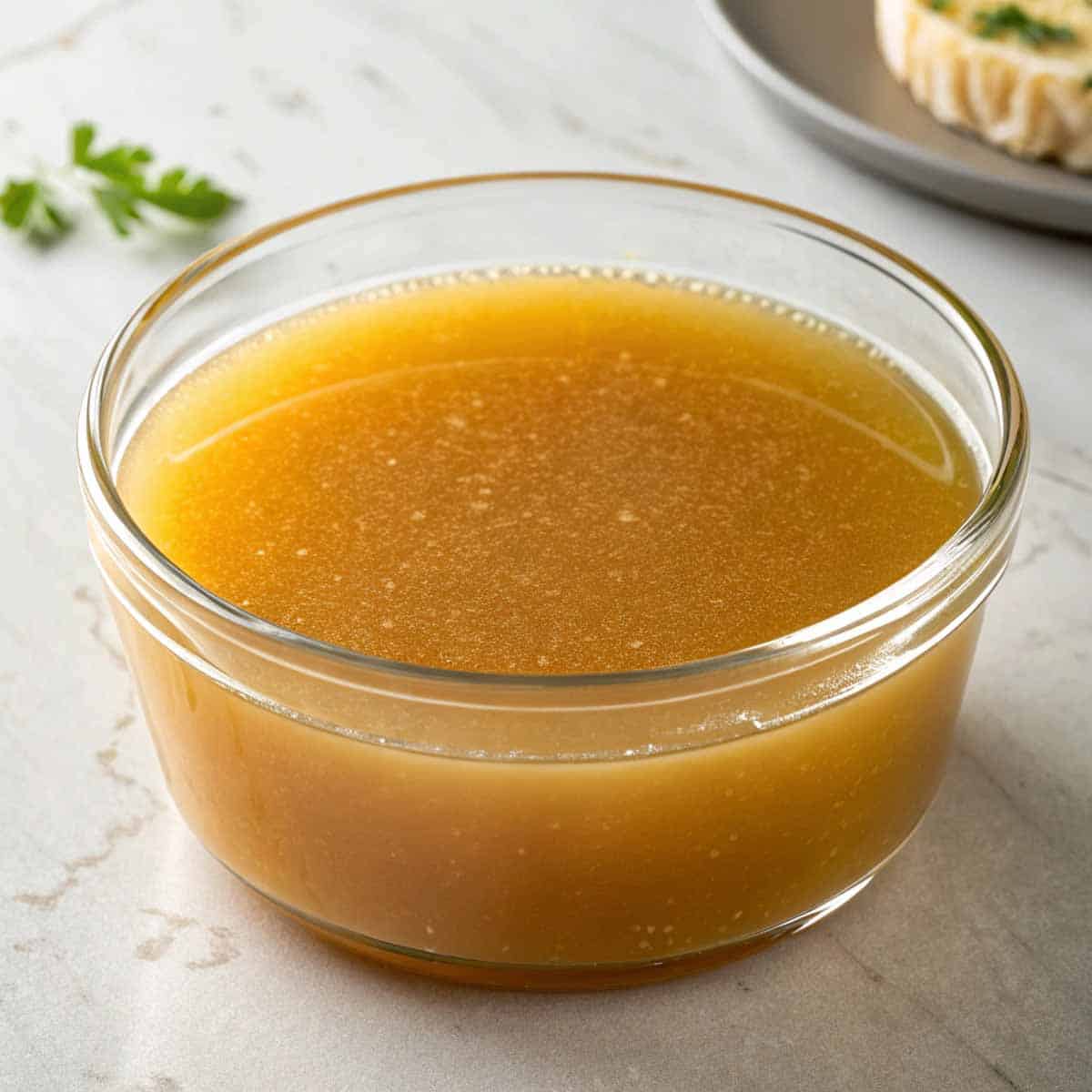
Best for: Health-conscious cooks, meal preppers, avoiding additives
Making your own chicken bouillon concentrate is easier than you think, and it’s the healthiest option. You control exactly what goes in – no MSG, no artificial flavors, just real ingredients.
Basic homemade recipe:
- 2 cups chicken broth
- 1 tablespoon nutritional yeast
- 1 teaspoon onion powder
- ½ teaspoon garlic powder
- ½ teaspoon dried thyme
- ½ teaspoon salt
- ¼ teaspoon black pepper
Simmer the broth over medium heat until reduced to ½ cup (reduced by ¾). Stir in the seasonings while still warm. Let cool completely – it will be a thick liquid concentrate. Store in a jar in the fridge for up to 2 weeks.
How to substitute:
- 1 chicken bouillon cube = ¼ cup (4 tablespoons) concentrate per 1 cup of liquid in your recipe
Pros: No additives, customizable flavor, healthier, more affordable
Cons: Requires time to make, shorter shelf life than commercial products
4. Chicken Bone Broth
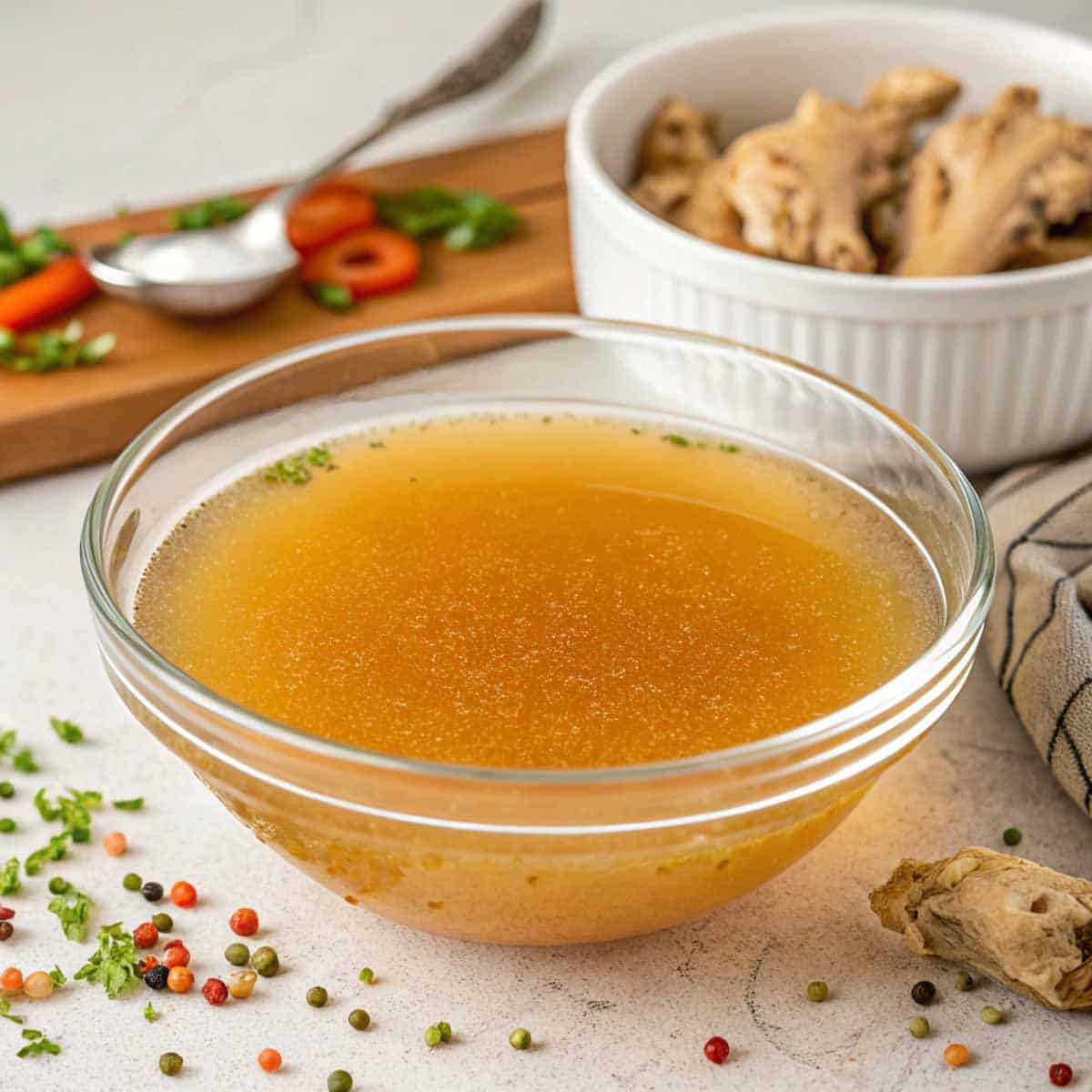
Best for: Nutrient-dense soups, health-focused recipes, gut-friendly dishes
Bone broth is richer and more nutritious than regular broth because it’s simmered longer to extract collagen, minerals, and gelatin from the bones. It has a deeper flavor and more body.
How to substitute:
- 1 chicken bouillon cube = 1 cup chicken bone broth
- May need to add salt since bone broth is often less salty than bouillon
Pros: More nutritious, rich flavor, gut-healing properties, naturally gelatinous
Cons: More expensive, may need extra seasoning
Note: Bone broth is thicker and richer, so it works especially well in creamy soups and sauces where you want body.
5. Bouillon Powder or Granules
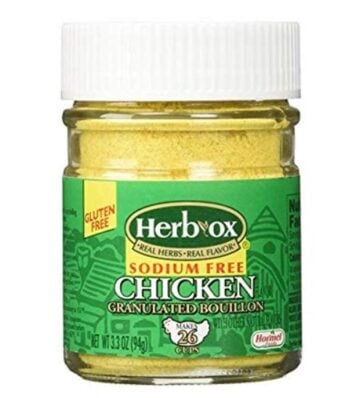
Best for: Direct 1:1 swap in any recipe
Bouillon powder is essentially the same as bouillon cubes, just in loose form. It dissolves faster and is easier to measure for partial amounts.
How to substitute:
- 1 chicken bouillon cube = 1 teaspoon (or 1 tablespoon, depending on brand – check package) bouillon powder.
Pros: Same flavor profile, dissolves faster, easier to measure small amounts
Cons: Same additives as cubes, high sodium
Brand note: Different brands have different concentration levels. Knorr uses 1 tablespoon per cup, while some brands use 1 teaspoon. Always check the label.
6. Vegetable Broth + Soy Sauce + Poultry Seasoning
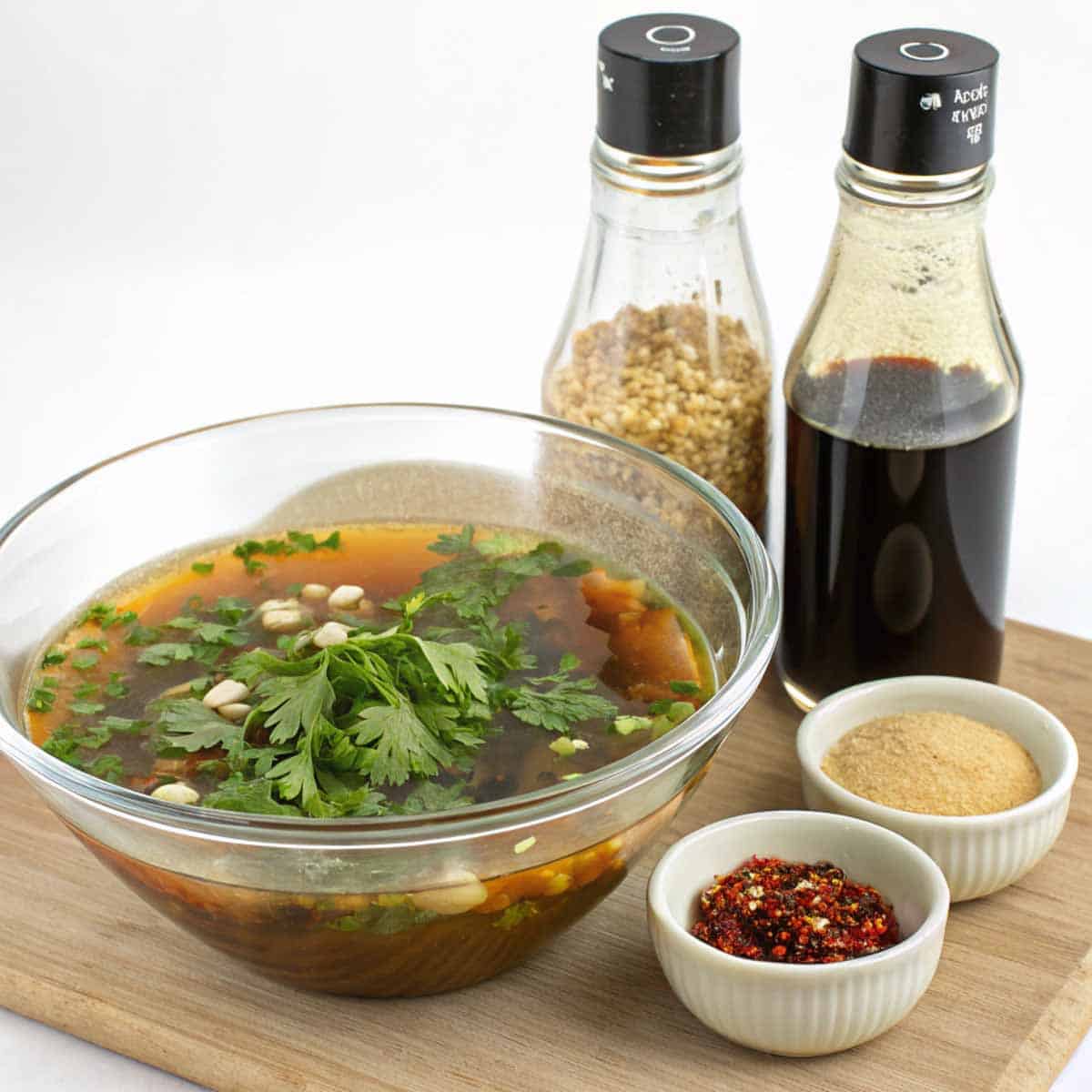
Best for: Vegetarian cooking, when you want chicken-like flavor without chicken
This combination mimics the savory umami of chicken bouillon without using any chicken products. The soy sauce adds depth, and poultry seasoning provides that familiar herb profile.
How to substitute:
- 1 chicken bouillon cube = 1 cup vegetable broth + 1 teaspoon soy sauce + ¼ teaspoon poultry seasoning
Pros: Vegetarian/vegan friendly, uses common pantry ingredients
Cons: Flavor isn’t identical to chicken, requires multiple ingredients
Best in: Rice dishes, pasta, casseroles where the chicken flavor is background, not the star
7. White Wine or Dry Vermouth + Salt

Best for: Deglazing pans, light sauces, risotto
When you need to deglaze a pan or add depth to a sauce, white wine or dry vermouth can stand in for bouillon. The acidity and complexity work similarly to bouillon in cooked dishes.
How to substitute:
- 1 chicken bouillon cube = ½ cup white wine + ½ cup water + ½ teaspoon salt
Pros: Adds complexity and acidity, great for deglazing, sophisticated flavor
Cons: Alcohol flavor (though it cooks off), not suitable for all recipes, doesn’t taste like chicken
Best for: Sauces, risotto, braising liquid – not for soups where you want clear chicken flavor
8. Chicken Seasoning Blend + Salt
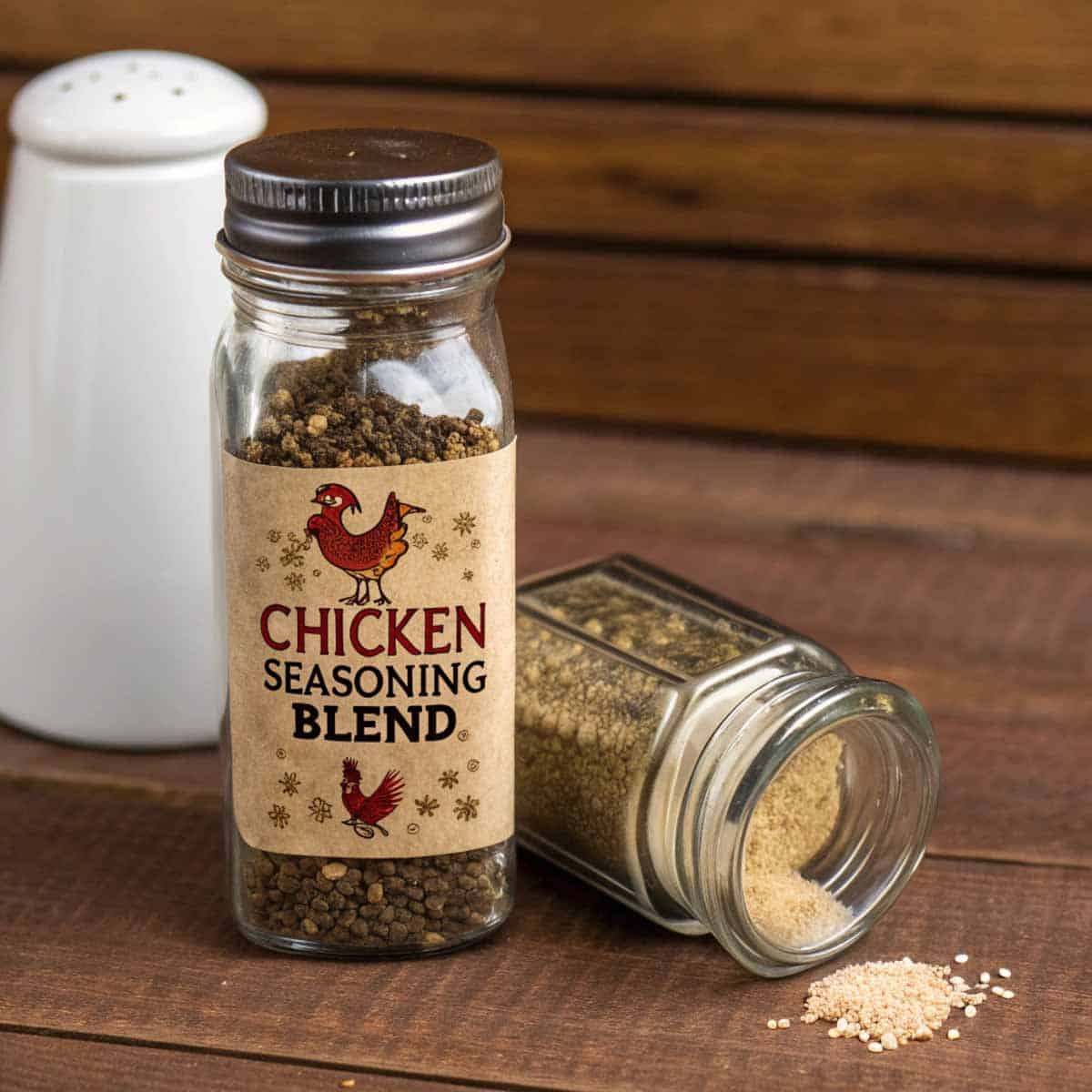
Best for: Dry rubs, seasoning rice or pasta, roasted vegetables
If you’re using bouillon cubes for seasoning rather than making broth, a chicken seasoning blend works great. Look for blends with herbs like thyme, sage, and rosemary.
How to substitute:
- 1 chicken bouillon cube (used for seasoning, not making broth) = 1-2 teaspoons chicken seasoning + ½ teaspoon salt
Pros: No liquid added, concentrated flavor, shelf-stable
Cons: Won’t work for making broth, less savory depth than bouillon
DIY blend: Mix equal parts onion powder, garlic powder, dried thyme, dried parsley, salt, and a pinch of turmeric for color.
9. Mushroom Broth + Soy Sauce
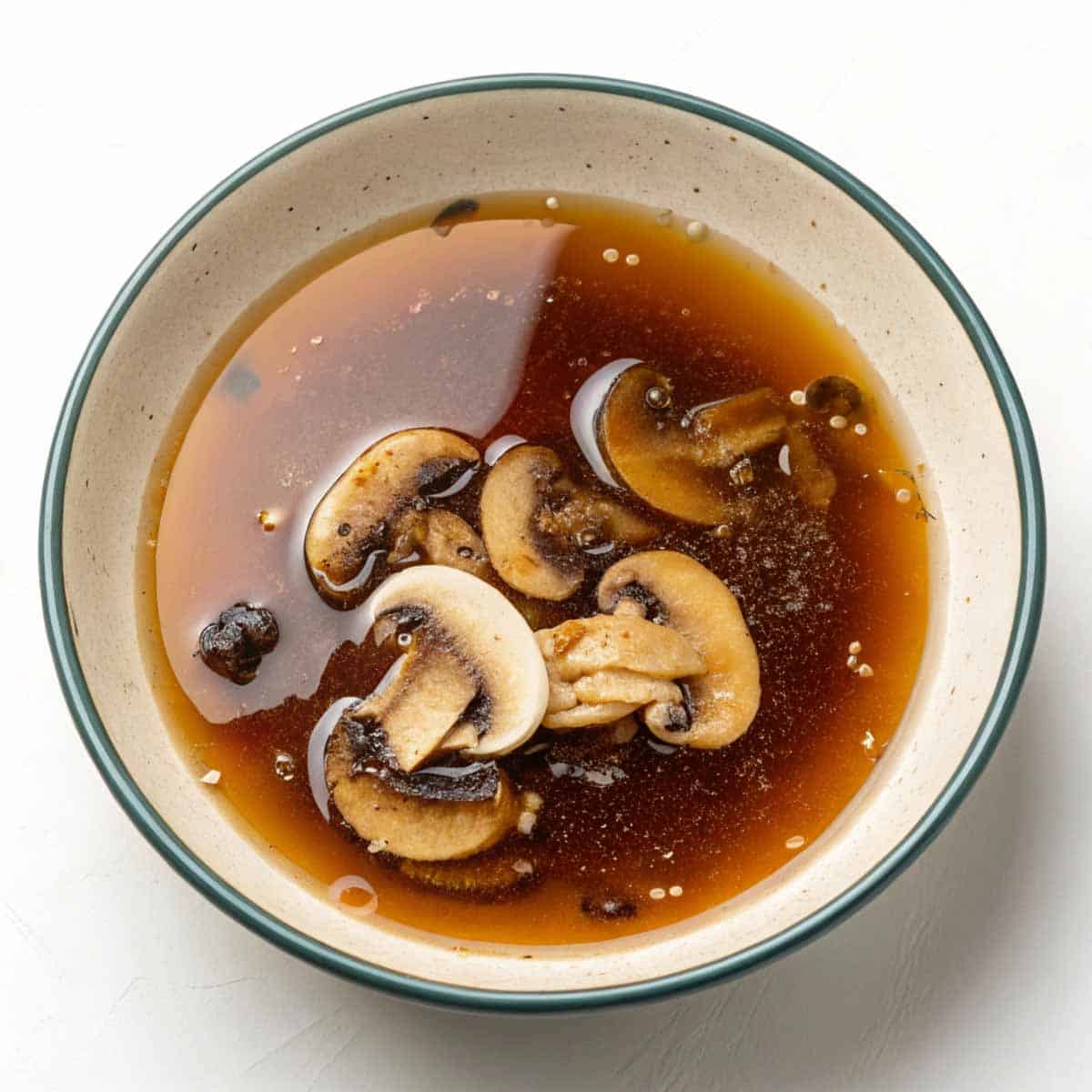
Best for: Vegetarian/vegan recipes, umami-rich dishes
Mushrooms provide deep umami flavor that can stand in for chicken in many recipes. Combined with soy sauce, you get that savory depth bouillon provides.
How to substitute:
- 1 chicken bouillon cube = 1 cup mushroom broth + 1 teaspoon soy sauce
Pros: Rich umami flavor, vegetarian/vegan, adds depth
Cons: Earthy flavor is different from chicken, darker color
Works best in: Asian-inspired dishes, dark sauces, hearty stews where the mushroom flavor complements the dish
Chicken Bouillon Substitute Comparison Chart
| Substitute | Best Used For | Conversion | Vegetarian? | Sodium Level |
|---|---|---|---|---|
| Chicken Broth/Stock | Soups, stews, grains | 1 cube = 1 cup | No | Medium |
| Better Than Bouillon | Any recipe | 1 cube = 1 tsp + 1 cup water | No | Medium-High |
| Homemade Concentrate | Health-conscious cooking | 1 cube = ¼ cup concentrate | No | Low (adjustable) |
| Bone Broth | Nutrient-dense recipes | 1 cube = 1 cup | No | Low-Medium |
| Bouillon Powder | Direct swap | 1 cube = 1 tsp-1 tbsp (check brand) | No | High |
| Veggie Broth + Soy + Seasoning | Vegetarian dishes | 1 cube = 1 cup + 1 tsp + ¼ tsp | Yes | Medium |
| White Wine + Salt | Sauces, deglazing | 1 cube = ½ cup wine + ½ cup water + ½ tsp salt | Yes | Low |
| Chicken Seasoning | Dry seasoning | 1 cube = 1-2 tsp blend + ½ tsp salt | Depends | Medium |
| Mushroom Broth + Soy | Vegan umami dishes | 1 cube = 1 cup + 1 tsp | Yes | Medium |
How to Choose the Right Substitute
- For soups and stews: Use chicken broth, stock, or Better Than Bouillon for the closest flavor match.
- For cooking rice or pasta: Better Than Bouillon or bouillon powder works best since they’re concentrated and won’t add too much liquid.
- For sauces: Chicken broth, bone broth, or white wine (for light sauces) all work well.
- For vegetarian/vegan cooking: Vegetable broth + soy sauce + poultry seasoning, or mushroom broth + soy sauce.
- For healthier options: Homemade bouillon concentrate, bone broth, or low-sodium chicken broth give you more control over sodium and ingredients.
- For convenience: Better Than Bouillon or bouillon powder – they’re shelf-stable (powder) or fridge-stable (BTB) and work in any recipe.
- For best flavor: Homemade bouillon concentrate or bone broth beat commercial products every time.

Tips for Substituting Bouillon Cubes
- Adjust the salt. Bouillon cubes are very salty (900-1200mg sodium per cube). When substituting with less salty options like homemade broth or bone broth, taste and add salt as needed.
- Consider the liquid. If your recipe calls for dissolving a bouillon cube in water to make broth, just use the broth directly and skip the water. If the bouillon is added to an existing liquid, you may need to reduce other liquids in the recipe when using broth.
- Account for concentration. Bouillon is super concentrated. If using regular broth, the flavor will be milder. You can reduce broth by half to concentrate the flavor, or just use a bit more.
- Watch for MSG. If you’re avoiding MSG, check labels on commercial broths and Better Than Bouillon. Many contain it. Homemade options are MSG-free.
- Match the intensity. Light, delicate dishes (like clear soups) work better with mild substitutes like regular broth. Hearty dishes (like stews or casseroles) can handle bold substitutes like mushroom broth or reduced bone broth.
- Dissolve properly. If using cubes, powder, or paste, dissolve them in hot liquid first before adding to your recipe for even distribution.
FAQs
Bouillon cubes are dehydrated, concentrated chicken stock with added salt and seasonings. Chicken broth is liquid stock that’s ready to use. One bouillon cube dissolved in 1 cup of water equals approximately 1 cup of chicken broth.
Yes! Use 1 cup of chicken stock for every 1 bouillon cube. Stock is less seasoned than bouillon, so you may need to add salt to taste.
1 teaspoon of Better Than Bouillon dissolved in 1 cup of hot water equals 1 chicken bouillon cube.
No. Chicken bouillon is a concentrated flavoring agent (in cube, powder, or paste form), while chicken broth is a liquid cooking ingredient. Bouillon needs to be dissolved in water to become broth.
You can in a pinch, but the flavor will be completely different. Beef bouillon has a much stronger, darker flavor. It works better in hearty dishes like stews than in delicate soups or rice dishes.
Most commercial bouillon cubes are high in sodium (900-1200mg per cube) and contain MSG and artificial flavors. They’re fine in moderation, but homemade alternatives or low-sodium broths are healthier options.
More Substitute Guides

Cooking Basics
11 Best Chicken Stock Concentrate Substitutes

Cooking Basics
11 Best Beef Stock Concentrate Substitutes

Cooking Basics
9 Best Vegetable Stock Concentrate Substitutes

Cooking Basics


