


This post may contain affiliate links. Please read our disclosure policy.
You’re ready to make that viral cottage cheese breakfast bake (or lasagna, or dip) and you reach for the cottage cheese… and there’s none in the fridge. Or maybe you just don’t like the texture of cottage cheese but want to try a recipe that calls for it.
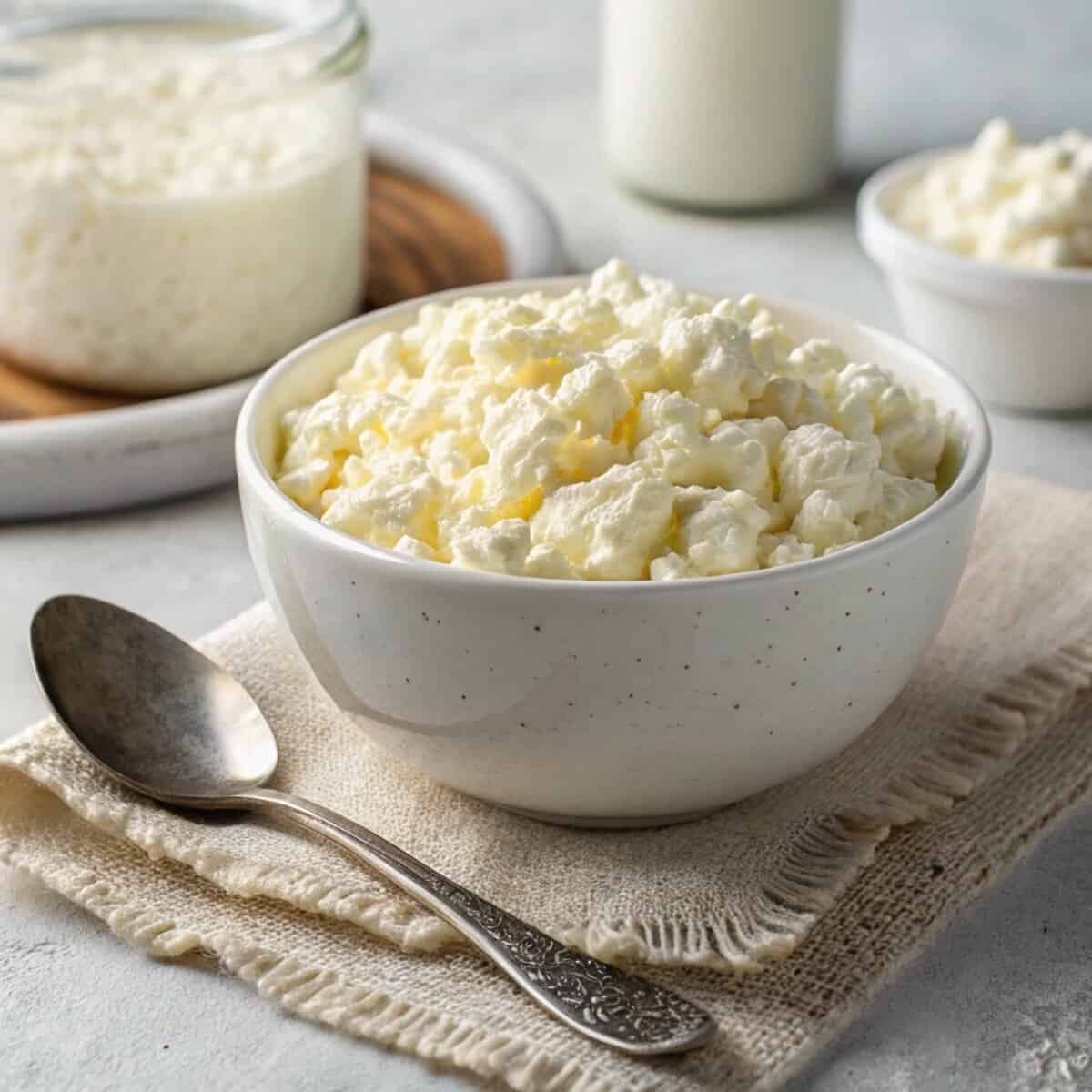
Don’t worry! There are plenty of excellent cottage cheese substitutes that work beautifully in most recipes. I’ll walk you through the best options for different uses, with exact ratios and tips so your recipe turns out perfectly.
Cottage Cheese Substitute Chart (At a Glance)
| Substitute | Ratio | Best For |
|---|---|---|
| Farmer’s Cheese | 1:1 (crumble, add milk if needed) | Any recipe – closest to cottage cheese! |
| Ricotta Cheese | 1:1 (blend if needed) | Baking, lasagna, stuffed shells, any recipe |
| Greek Yogurt (Plain) | 1:1 (use full-fat) | Breakfast bakes, smoothies, dips, high-protein needs |
| Sour Cream | 1:1 | Baking, dips, creamy dishes |
| Cream Cheese | 1:1 (soften first) | Dips, spreads, cheesecake-style bakes |
| Fromage Blanc | 1:1 | Any recipe, especially baking |
| Plain Yogurt (Regular) | 1:1 (strain if too thin) | Breakfast bakes, parfaits, lighter dishes |
| Quark | 1:1 | European recipes, baking, high-protein dishes |
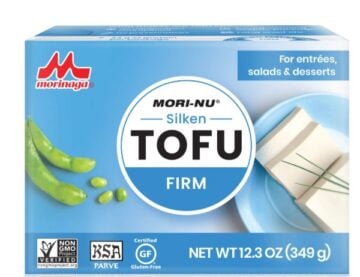
| Silken Tofu (Vegan) | 1:1 (blend until smooth) | Vegan baking, smoothies, savory dishes |
Why Substitute Cottage Cheese?

Before we dive into substitutes, let’s talk about why you might need one:
- You’re out of cottage cheese – The most common reason! You’re mid-recipe and need a quick swap.
- You don’t like the texture – Cottage cheese has a lumpy, curdy texture that some people find off-putting.
- Dietary restrictions – Looking for vegan or lower-fat options.
- Can’t find it – Some areas or countries don’t commonly stock cottage cheese.
- Too expensive – Cottage cheese can be pricey compared to alternatives.
Whatever your reason, there’s a substitute that will work for your recipe!
Best Cottage Cheese Substitute: Farmer’s Cheese
Ratio: 1 cup cottage cheese = 1 cup farmer’s cheese (crumbled)
Farmer’s cheese is the absolute best cottage cheese substitute because they’re essentially the same cheese! Farmer’s cheese is cottage cheese that’s been pressed to remove the whey, making it drier and more crumbly. They’re made through almost identical processes.
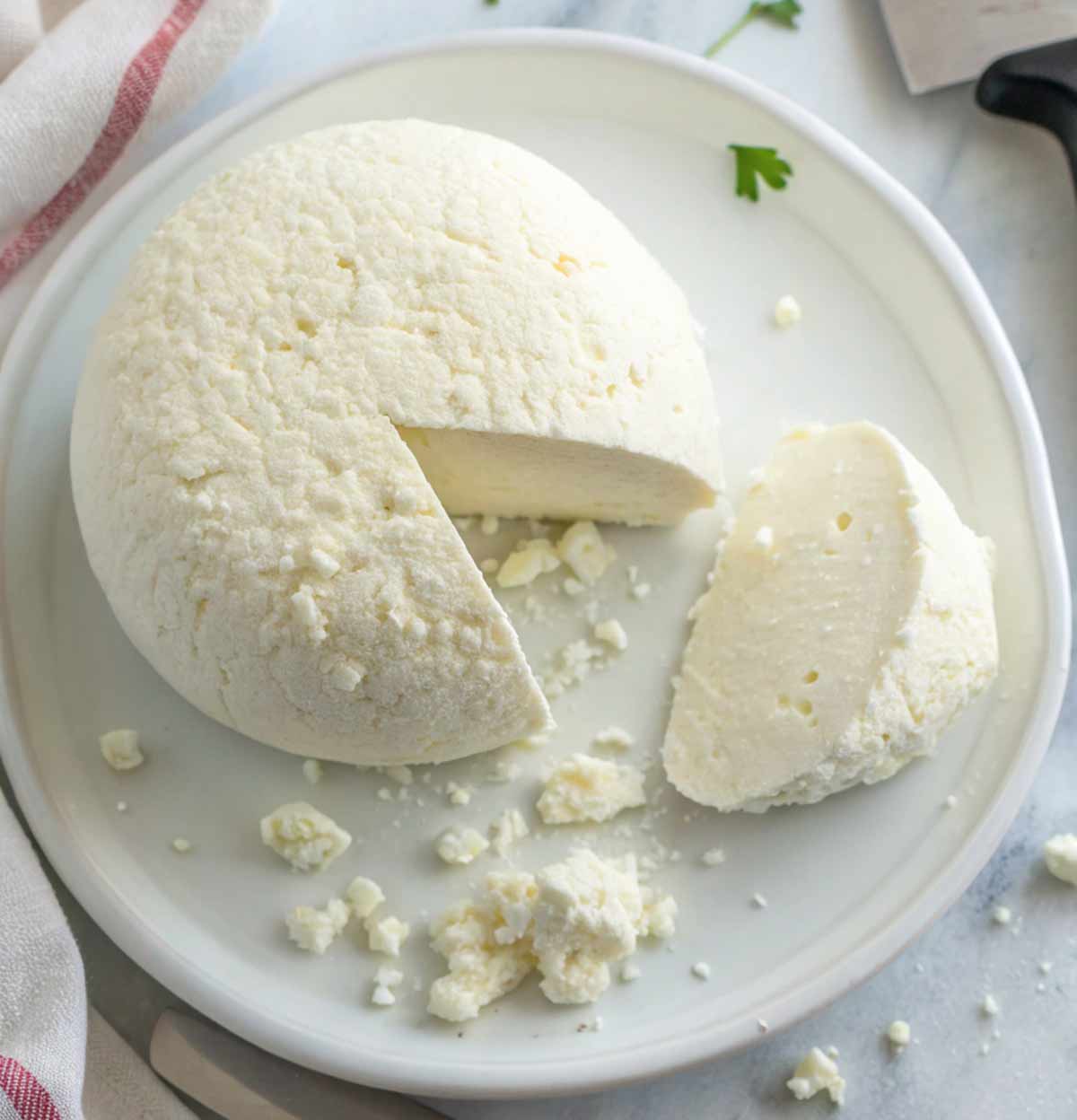
Why Farmer’s Cheese is the Best Substitute
- They’re the same cheese in different forms—cottage cheese with the liquid removed
- Nearly identical protein content (13-15g per cup)
- Same mild, slightly tangy flavor
- Crumbly texture similar to large-curd cottage cheese
- Works perfectly in both sweet and savory dishes
- Easy to find in most grocery stores (usually right next to cottage cheese!)
How to Use Farmer’s Cheese
- For breakfast bakes: Crumble farmer’s cheese and use at a 1:1 ratio. If it seems too dry, mix in 1-2 tablespoons of milk or sour cream to match cottage cheese’s moisture.
- For lasagna or stuffed shells: Mix crumbled farmer’s cheese with an egg—works exactly like cottage cheese!
- For dips: Blend or mash farmer’s cheese with a little sour cream or Greek yogurt for a creamy consistency
- For eating plain: Crumble over fruit, drizzle with honey, or mix with jam—delicious!
- For smoothies: Blend with a splash of milk first to break it down
When to Choose Farmer’s Cheese
Best for: Everything! Since it’s essentially cottage cheese, it works in any recipe. It’s especially traditional in blintzes, pierogi filling, cheesecakes, and Eastern European dishes.
The key difference: Farmer’s cheese is drier because the whey is pressed out. If your recipe needs moisture (like a very creamy breakfast bake), add a tablespoon or two of milk when using farmer’s cheese.
Where to find it: Most grocery stores in the dairy section (near cottage cheese), Jewish markets, Eastern European stores, cheese shops.
Second Best: Ricotta Cheese
Ratio: 1 cup cottage cheese = 1 cup ricotta cheese
If you can’t find farmer’s cheese, ricotta is your next best option. It’s the closest substitute to cottage cheese in terms of texture, moisture content, and how it behaves in recipes. It’s slightly sweeter and smoother than cottage cheese, but it works beautifully in almost any recipe.
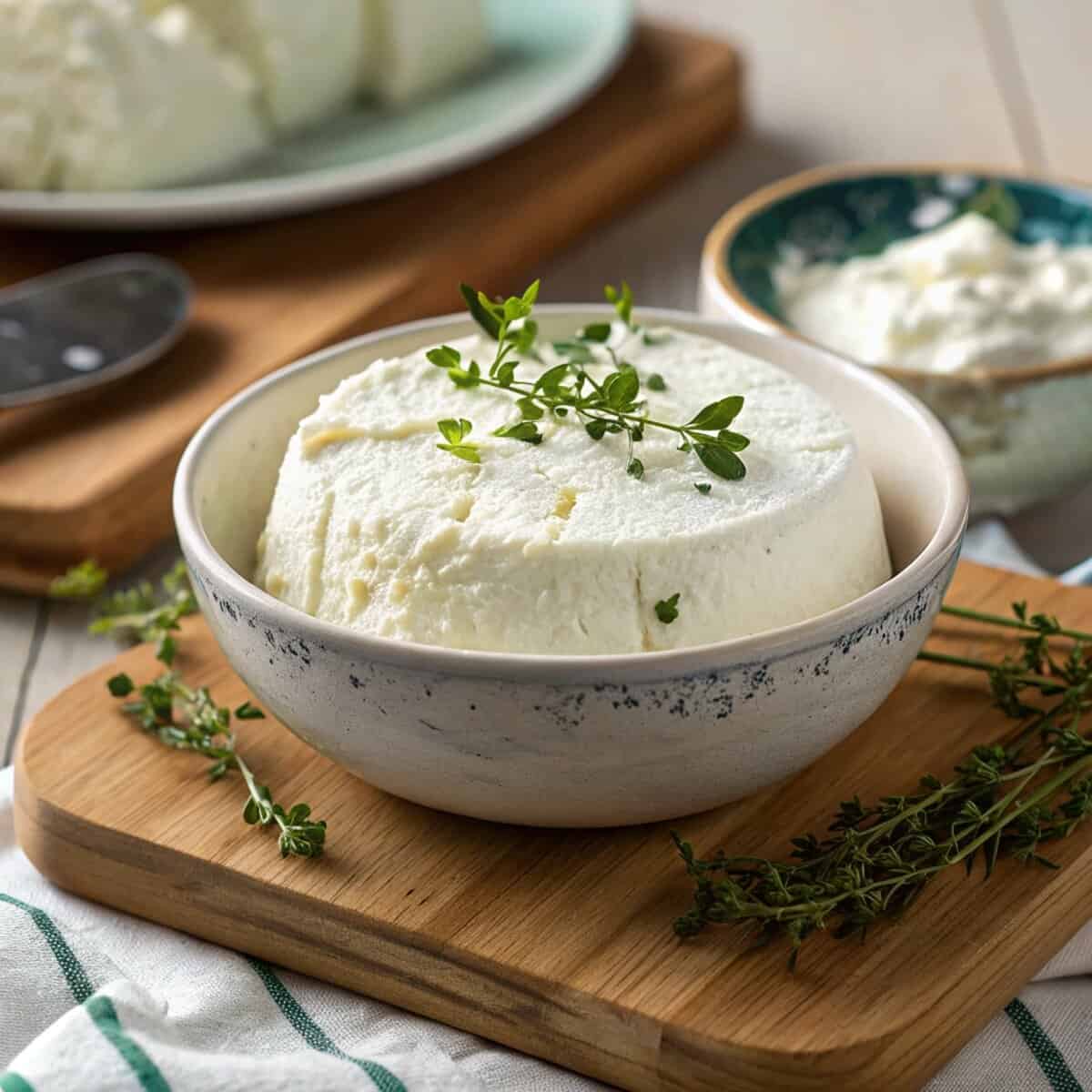
Why Ricotta Works Well
- Similar moisture content – won’t make recipes too wet or dry
- Mild, slightly sweet flavor – works in sweet and savory dishes
- Creamy texture – smoother than cottage cheese (actually a plus for many people!)
- Similar protein content – about 14g per cup
- Readily available in most grocery stores
How to Use Ricotta Instead of Cottage Cheese
- For baked dishes (lasagna, stuffed shells): Use ricotta straight from the container at a 1:1 ratio
- For breakfast bakes: Blend ricotta briefly if you want it extra smooth, or use as-is
- For dips: Mix ricotta with a splash of milk if it seems too thick
- For eating plain: Ricotta is naturally sweeter, so you might need less added sweetener
When to Choose Ricotta
Best for: Lasagna, stuffed shells, manicotti, breakfast bakes, cheesecake-style desserts, any baked dish
Pro tip: If your ricotta is very wet, drain it in a fine-mesh strainer for 15-20 minutes before using. This gives you a texture closer to cottage cheese.
Greek Yogurt Substitute
Ratio: 1 cup cottage cheese = 1 cup Greek yogurt (full-fat or 2%)
Greek yogurt is an excellent substitute, especially if you’re making cottage cheese for its protein content. It has a tangy flavor and thick, creamy texture that works great in many recipes.
Why Greek Yogurt Works
- High protein – similar to cottage cheese (about 17g per cup for full-fat)
- Thick, creamy texture – especially if using full-fat
- Tangy flavor – adds brightness to dishes
- Smooth consistency – no lumps (great if you don’t like cottage cheese texture)
- Works in sweet and savory recipes
How to Use Greek Yogurt
- For breakfast bakes: Use full-fat Greek yogurt for the creamiest results
- For smoothies: Greek yogurt blends perfectly and adds thickness
- For dips: Mix with herbs and spices – works beautifully
- For baking: May add slight tanginess, which is usually pleasant
When to Choose Greek Yogurt
Best for: Cottage cheese breakfast bakes, smoothies, parfaits, dips, high-protein recipes
Important: Use plain, unsweetened Greek yogurt only. Flavored or sweetened varieties will change your recipe’s taste and sweetness level.
Note about texture: Greek yogurt is thinner than cottage cheese. If your recipe needs a thicker consistency, strain Greek yogurt in a cheesecloth-lined strainer for 30 minutes to remove excess whey.
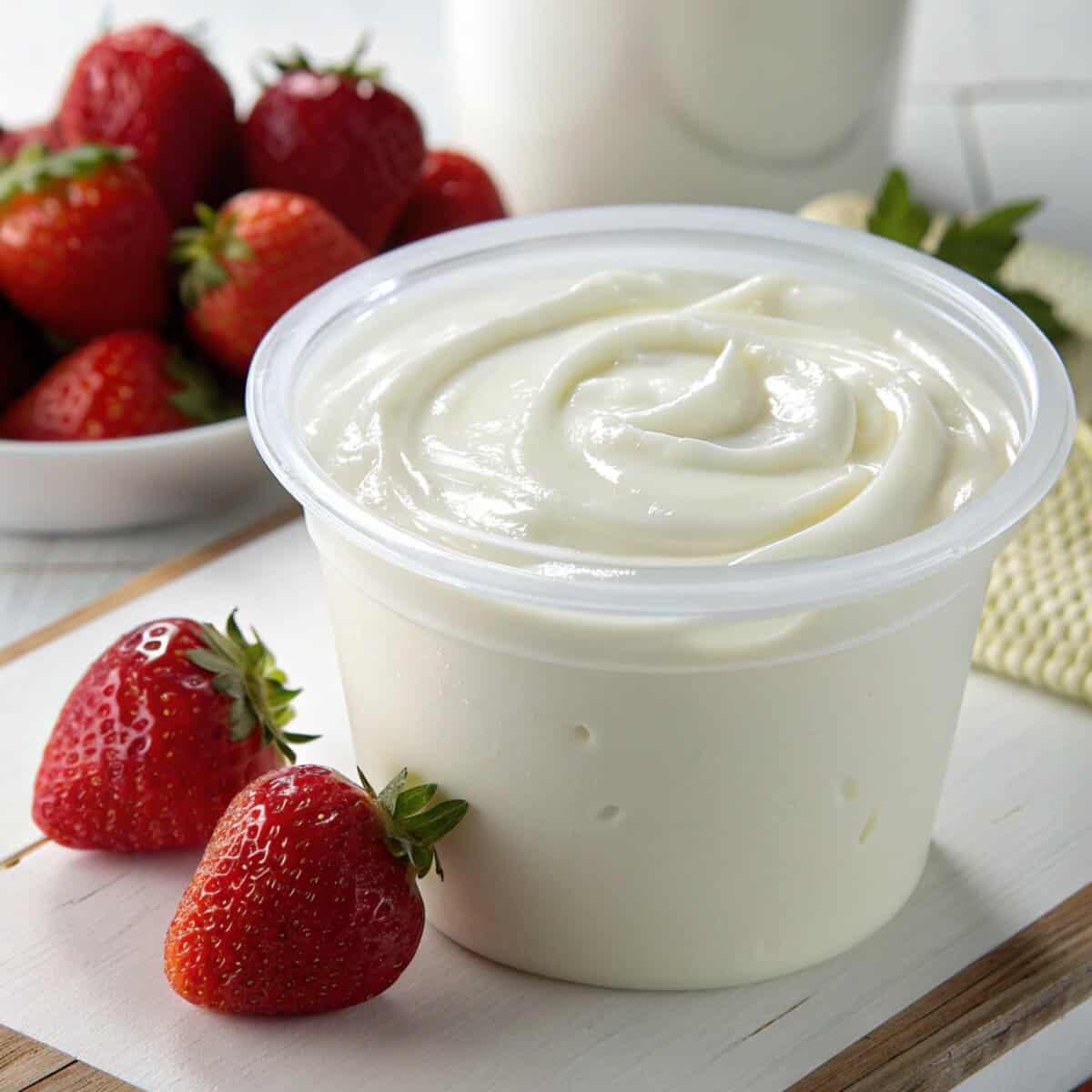
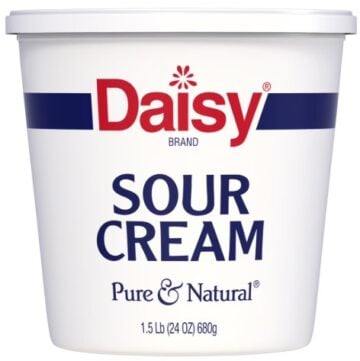
Sour Cream Substitute
Ratio: 1 cup cottage cheese = 1 cup sour cream
Sour cream has a tangy flavor and creamy texture that makes it a good cottage cheese substitute, especially in baked dishes and dips.
Why Sour Cream Works
- Creamy, smooth texture – no lumps
- Tangy flavor – similar to the slight tang in cottage cheese
- Adds moisture to baked goods
- Works great in both sweet and savory dishes
How to Use Sour Cream
- For breakfast bakes: Use full-fat sour cream for best results
- For dips: Sour cream is perfect – it’s what many dips are based on anyway!
- For lasagna/pasta: Mix with an egg to help it set properly
- For eating plain: Sour cream is more tangy, so adjust sweeteners accordingly
When to Choose Sour Cream
Best for: Breakfast bakes, dips, creamy pasta dishes, any baked recipe
Note: Sour cream has less protein than cottage cheese (about 5g per cup vs. 14g). If protein content matters for your recipe, choose Greek yogurt or ricotta instead.
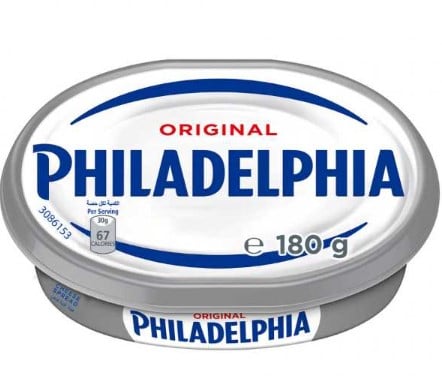
Cream Cheese Substitute
Ratio: 1 cup cottage cheese = 1 cup cream cheese (softened)
Cream cheese is richer and denser than cottage cheese, but it works wonderfully in many recipes, especially those where you want an extra-creamy result.
Why Cream Cheese Works
- Ultra-creamy, smooth texture
- Mild flavor that works in sweet and savory dishes
- Adds richness to recipes
- Creates a denser, more custard-like texture in bakes
How to Use Cream Cheese
- Soften cream cheese to room temperature first
- For breakfast bakes: Beat with eggs and other ingredients until smooth
- For dips: Cream cheese is perfect – it’s what most dips are made with!
- For baking: Mix with a tablespoon or two of milk to thin slightly if needed
When to Choose Cream Cheese
Best for: Dips, spreads, cheesecake-style bakes, rich breakfast bakes
Note: Cream cheese is higher in fat and calories than cottage cheese. It also has less protein (about 6g per cup). Use it when richness matters more than protein content.
Plain Yogurt Substitute
Ratio: 1 cup cottage cheese = 1 cup plain yogurt (strain if too thin)
Regular plain yogurt (not Greek) can work as a cottage cheese substitute, though it’s thinner and may need straining for some recipes.
Why Plain Yogurt Works
- Tangy flavor similar to cottage cheese
- Adds moisture to baked goods
- Lighter texture and lower fat than cottage cheese
- Budget-friendly option
How to Use Plain Yogurt
- For breakfast bakes: Strain yogurt in a cheesecloth-lined strainer for 30-60 minutes first to thicken
- For smoothies: Regular yogurt works perfectly without straining
- For dips: Mix with a little cream cheese or sour cream for thickness
- For parfaits: Use as-is
When to Choose Plain Yogurt
Best for: Smoothies, parfaits, lighter baked dishes, dips (when mixed with cream cheese)
Important: Regular yogurt is much thinner than cottage cheese. For baking, you may need to reduce other liquids in the recipe slightly or strain the yogurt first.
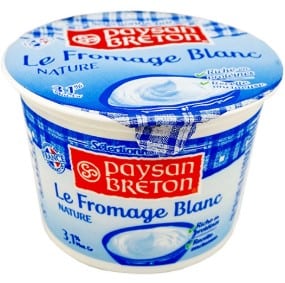
Fromage Blanc Substitute
Ratio: 1 cup cottage cheese = 1 cup fromage blanc
Fromage blanc is a French fresh cheese that’s very similar to cottage cheese in texture and flavor. It’s not as widely available, but if you can find it, it’s an excellent 1:1 substitute.
Why Fromage Blanc Works
- Very similar texture to cottage cheese
- Mild, slightly tangy flavor
- Smooth and creamy
- High in protein
When to Choose Fromage Blanc
Best for: Any recipe calling for cottage cheese – it’s nearly identical!
Where to find it: Specialty cheese shops, Whole Foods, some well-stocked grocery stores
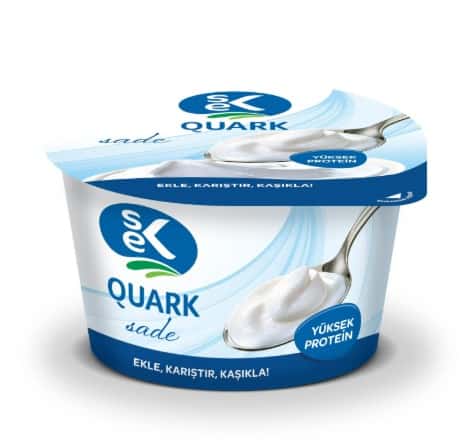
Quark Substitute
Ratio: 1 cup cottage cheese = 1 cup quark
Quark is a European fresh cheese that’s popular in Germany and Eastern Europe. It has a texture similar to thick yogurt or cottage cheese and is very high in protein.
Why Quark Works
- Very high in protein (about 14g per 100g)
- Smooth, creamy texture
- Mild flavor
- Lower in fat than cottage cheese
When to Choose Quark
Best for: European baking recipes, breakfast bakes, high-protein dishes, cheesecakes
Where to find it: European grocery stores, some regular supermarkets (becoming more available in the US), specialty cheese shops
Silken Tofu Substitute (Vegan Option)
Ratio: 1 cup cottage cheese = 1 cup blended silken tofu
For vegan recipes or dairy-free diets, silken tofu is your best option. It needs to be blended until completely smooth to mimic cottage cheese’s creamy texture.
Why Silken Tofu Works
- Completely vegan and dairy-free
- High in protein (about 10g per cup)
- Neutral flavor – won’t change your recipe’s taste
- Smooth, creamy texture when blended
- Lower in calories than cottage cheese
How to Use Silken Tofu
- Use SILKEN tofu only – firm tofu won’t work
- Blend in a food processor or blender until completely smooth (1-2 minutes)
- For breakfast bakes: Blend with nutritional yeast for a slight “cheesy” flavor
- For dips: Add lemon juice and seasonings for tanginess
- For smoothies: Blend with other ingredients – it adds protein and creaminess
When to Choose Silken Tofu
Best for: Vegan breakfast bakes, dairy-free dips, smoothies, vegan lasagna
Pro tip: Add a squeeze of lemon juice or a splash of apple cider vinegar to blended tofu to mimic cottage cheese’s slight tanginess.
How to Choose the Right Substitute
For Any Recipe (Best All-Around):
Best choice: Farmer’s cheese
Since it’s essentially cottage cheese with the whey removed, it works in everything. Just add a splash of milk if you need more moisture.
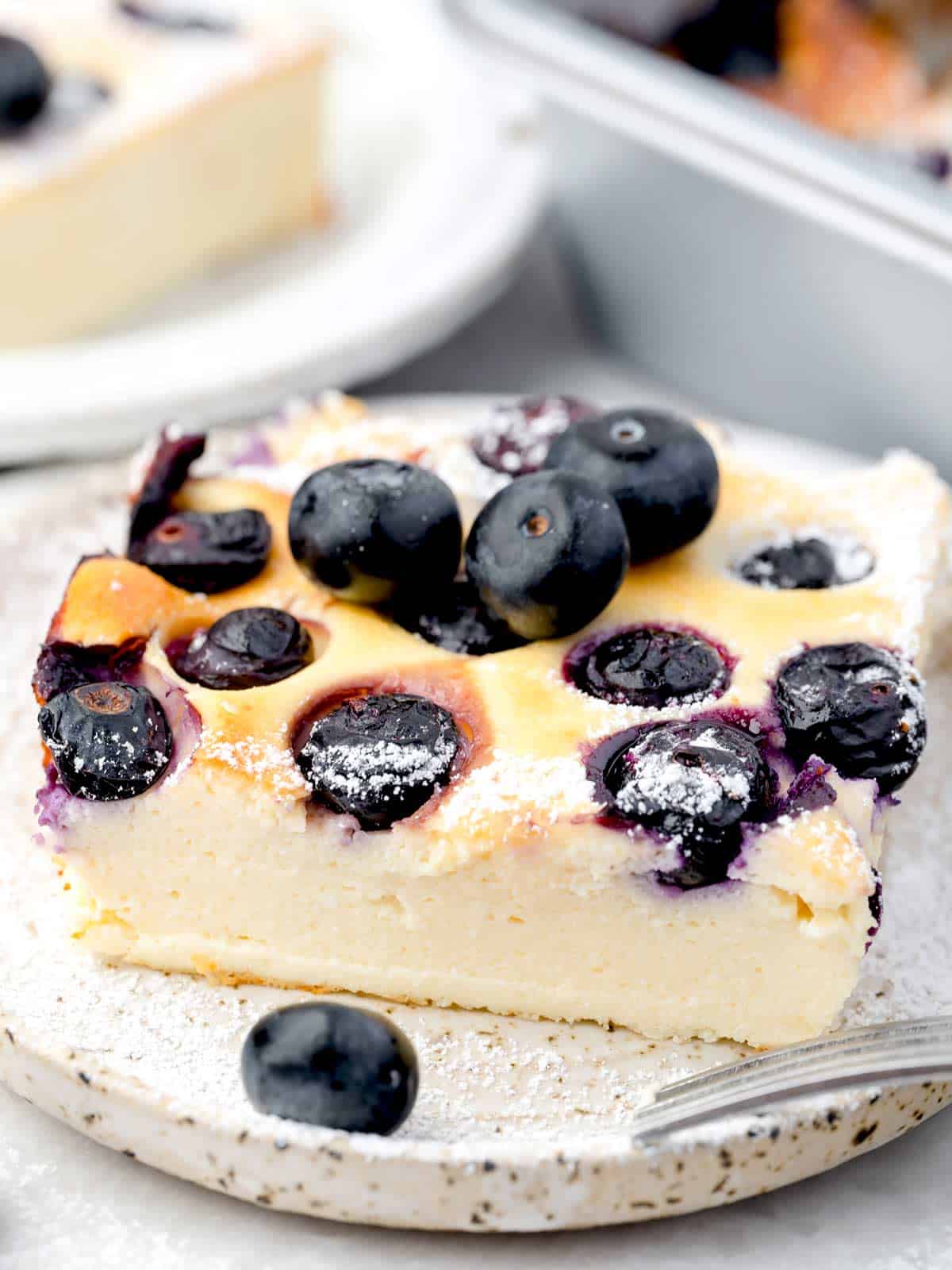
For Breakfast Bakes (like Cottage Cheese Bakes):
Best choices: Farmer’s cheese, ricotta, or Greek yogurt
All three have similar moisture content and will create the same custard-like texture. Farmer’s cheese is closest to the original.
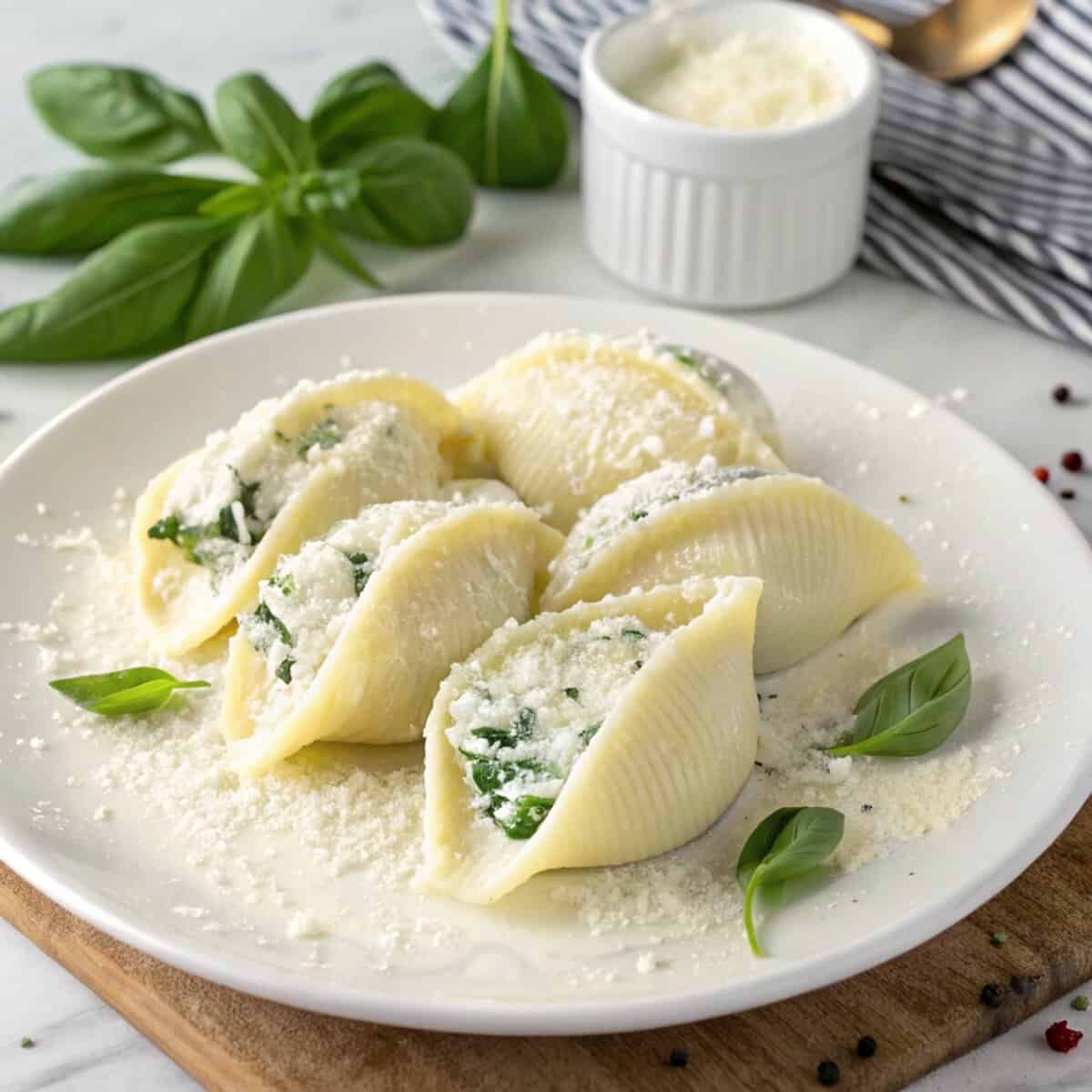
For Lasagna or Stuffed Shells:
Best choices: Farmer’s cheese or ricotta
Both work perfectly! Farmer’s cheese is traditional in some regions; ricotta in others. Mix with egg and Parmesan.
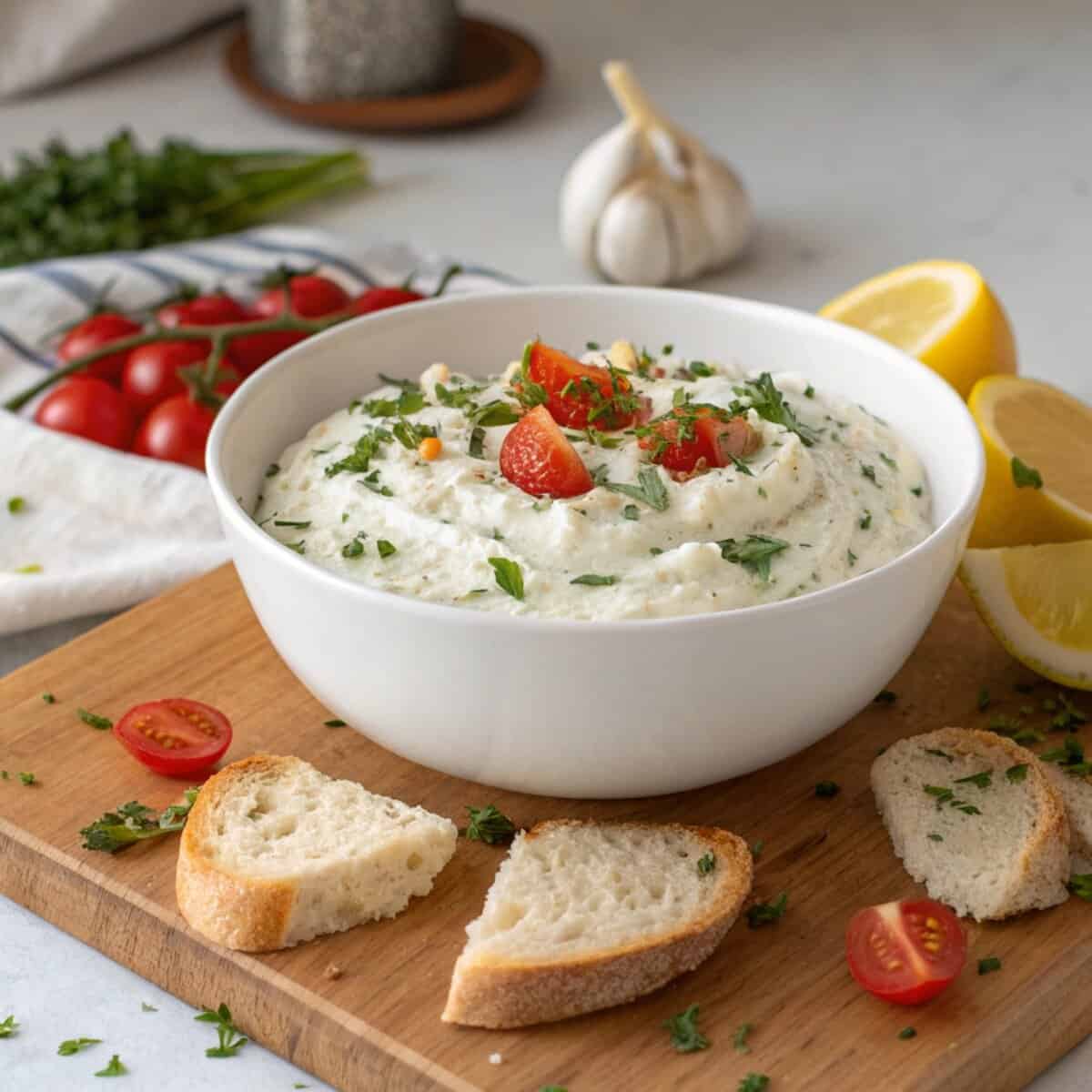
For Dips:
Best choices: Sour cream, cream cheese, or Greek yogurt
All three create creamy, smooth dips. Mix cream cheese with sour cream for extra richness.
For Smoothies:
Best choices: Greek yogurt or silken tofu (vegan)
Both add protein and creaminess without changing the flavor.
For Eating Plain (with Fruit, Honey, etc.):
Best choices: Greek yogurt or ricotta
Greek yogurt is tangier; ricotta is sweeter. Choose based on your preference.
For High-Protein Needs:
Best choices: Greek yogurt or ricotta
Both have protein content similar to cottage cheese.
For Vegan Recipes:
Best choice: Silken tofu (blended smooth)
It’s the only truly dairy-free option that mimics cottage cheese’s texture.
Common Mistakes When Substituting Cottage Cheese
Mistake #1: Not Adjusting for Texture Differences
Some substitutes (like Greek yogurt or regular yogurt) are thinner than cottage cheese. If your recipe seems too liquidy, reduce other liquids slightly or strain your yogurt first.
Mistake #2: Using Flavored Yogurt
Always use plain, unsweetened yogurt or Greek yogurt. Flavored varieties will add unwanted sweetness and change your recipe’s flavor profile.
Mistake #3: Not Blending When Needed
If you’re substituting cottage cheese in a smoothie or recipe where smoothness matters, make sure to blend your ricotta or tofu completely smooth first.
Mistake #4: Forgetting About Protein Content
If you’re using cottage cheese specifically for its high protein content (like in breakfast bakes), choose Greek yogurt or ricotta instead of sour cream or cream cheese, which have less protein.
Mistake #5: Using Firm Tofu Instead of Silken
For vegan substitutions, you MUST use silken tofu. Firm or extra-firm tofu has a completely different texture and won’t work.
Mistake #6: Not Adjusting Sweetness
Ricotta is sweeter than cottage cheese, while Greek yogurt is tangier. Taste as you go and adjust sweeteners or seasonings accordingly.
Recipe-Specific Substitution Tips
For Cottage Cheese Breakfast Bakes
Best substitute: Ricotta or Greek yogurt
Use a 1:1 ratio. If using Greek yogurt, choose full-fat for the creamiest texture. The bake will be just as fluffy and protein-packed.
For Cottage Cheese Pancakes
Best substitute: Ricotta or Greek yogurt
Both work beautifully in pancakes. Ricotta makes them extra fluffy; Greek yogurt makes them slightly tangier.
For Lasagna or Stuffed Shells
Best substitute: Ricotta
This is the traditional choice for Italian pasta dishes. Mix with an egg and Parmesan cheese for the classic filling.
For Cottage Cheese Dips
Best substitute: Sour cream, cream cheese, or Greek yogurt
If making a ranch-style dip, use sour cream or Greek yogurt. For a thicker, richer dip, use cream cheese.
For Smoothies
Best substitute: Greek yogurt or silken tofu
Both add protein and creaminess. Greek yogurt adds tanginess; tofu is completely neutral.
For Cheesecake or Desserts
Best substitute: Ricotta or cream cheese
Ricotta creates a lighter texture; cream cheese makes it richer and denser.
Cottage Cheese Substitute FAQs

Yes! Ricotta is the best cottage cheese substitute. Use it at a 1:1 ratio in any recipe. It’s slightly sweeter and smoother, but works beautifully in baking, lasagna, and most dishes.
Absolutely! Greek yogurt is an excellent substitute, especially for high-protein recipes like breakfast bakes. Use full-fat Greek yogurt for the creamiest results. It’s slightly tangier than cottage cheese.
Cottage cheese has a lumpier, curdy texture while ricotta is smooth and creamy. Ricotta is slightly sweeter. Both are fresh cheeses with similar moisture content and protein levels, making them easily interchangeable in recipes.
Yes, sour cream works well in baked dishes and dips. Use it at a 1:1 ratio. Note that sour cream has less protein than cottage cheese (about 5g vs. 14g per cup).
Ricotta cheese is the traditional and best choice for lasagna. In fact, most lasagna recipes call for ricotta, not cottage cheese. Use it at a 1:1 ratio mixed with egg and Parmesan.
Yes! Blend silken tofu until completely smooth. Use it at a 1:1 ratio. Add a squeeze of lemon juice for tanginess and nutritional yeast for a slight “cheesy” flavor if desired.
Yes, but cream cheese is richer and higher in fat. Soften it to room temperature first and use at a 1:1 ratio. It works great in dips and creates a denser texture in baked dishes.
Greek yogurt has the most protein at about 17g per cup. Cottage cheese has about 14g, ricotta about 14g, and quark about 14g per cup. Sour cream and cream cheese have significantly less (5-6g per cup).
Yes! Ricotta, Greek yogurt, and sour cream all work beautifully in cottage cheese breakfast bakes. Use any of them at a 1:1 ratio. The texture and protein content will be very similar.
Only if you want an extra-smooth texture. For most recipes (lasagna, breakfast bakes), you can use ricotta straight from the container. For smoothies, blend it first.
Final Thoughts
Running out of cottage cheese doesn’t have to derail your recipe plans. Whether you choose farmer’s cheese (the closest match since it’s essentially the same thing!), ricotta for its similar texture, Greek yogurt for its high protein content, or sour cream for its tanginess, there’s a perfect substitute for every situation.
Remember the key points:
- For the closest match: Farmer’s cheese—it’s cottage cheese with the whey pressed out!
- For baking: Farmer’s cheese or ricotta work perfectly in everything
- For high protein: Choose farmer’s cheese, Greek yogurt, or ricotta
- For dips: Sour cream, cream cheese, or Greek yogurt all work great
- For vegan: Blend silken tofu until smooth
Most substitutions work at a simple 1:1 ratio, making it easy to swap without complicated conversions. The texture and flavor might vary slightly, but the results will still be delicious!
Now you’ll never have to skip a recipe just because you’re out of cottage cheese. Save this guide, bookmark it, and you’ll always have the perfect substitute ready to go!
Cottage Cheese Recipes To Try!

Pancake recipes
Syrniki Recipe (Cottage Cheese Pancakes)

Sauces & Dips
High Protein Cottage Cheese Ranch Dressing

Breakfast & Brunch


