


This post may contain affiliate links. Please read our disclosure policy.
We’ve all been there: you’re halfway through making pancakes or biscuits, you reach for the baking powder, and… the container is empty. Or expired. Or mysteriously missing from your pantry.
Don’t panic! You don’t need to run to the store. With a few simple ingredients you probably already have, you can make a perfect baking powder substitute that works just as well as the real thing. I’ll show you exactly how, with foolproof ratios and tips for different types of recipes.
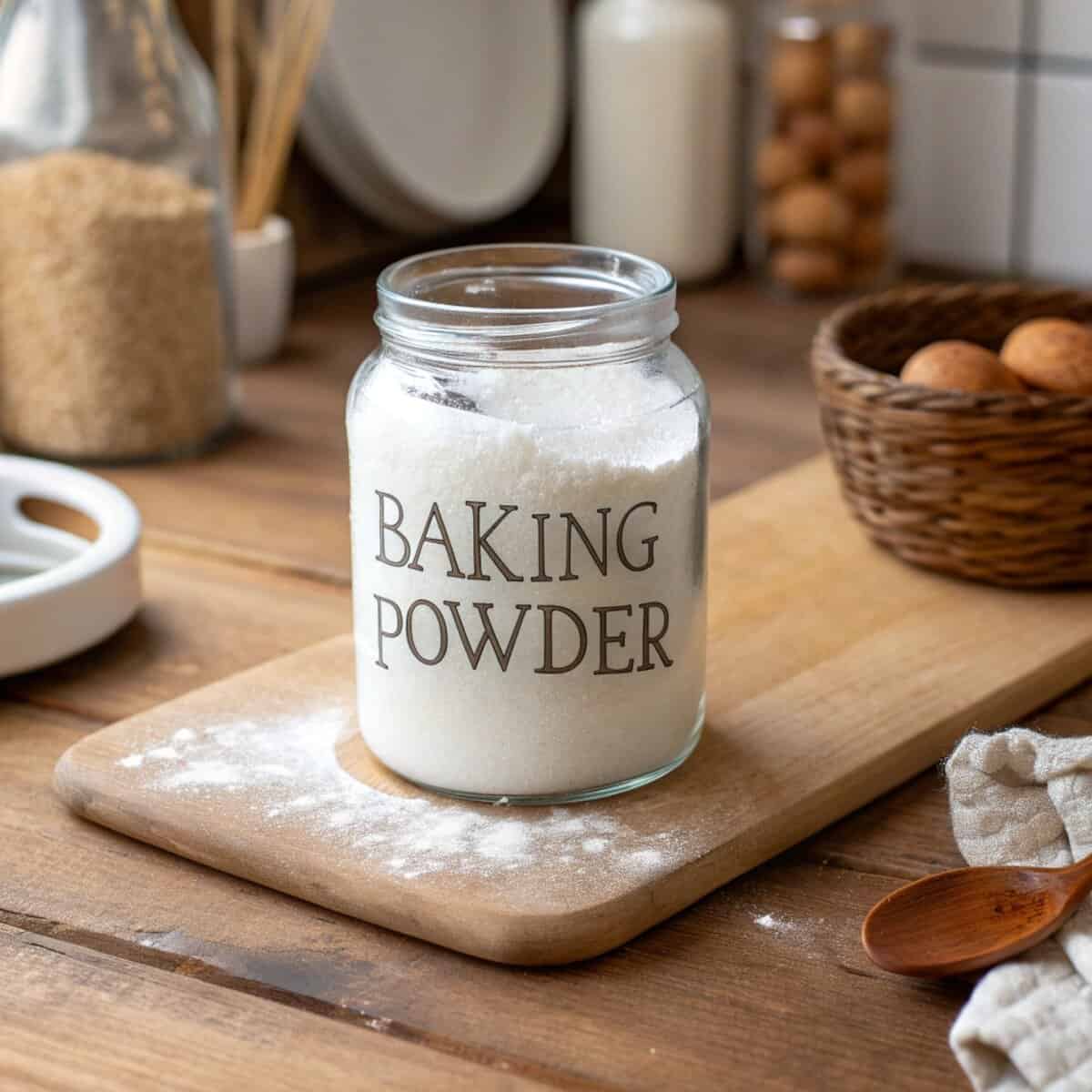
Baking Powder Substitute Chart (At a Glance)
| Substitute | Ratio (per 1 tsp baking powder) | Best For |
|---|---|---|
| Baking Soda + Cream of Tartar | 1/4 tsp baking soda + 1/2 tsp cream of tartar | Everything! Best all-purpose substitute |
| Baking Soda + Buttermilk | 1/4 tsp baking soda + 1/2 cup buttermilk (replace 1/2 cup liquid) | Pancakes, biscuits, cakes |
| Baking Soda + Plain Yogurt | 1/4 tsp baking soda + 1/2 cup yogurt (replace 1/2 cup liquid) | Muffins, quick breads, cakes |
| Baking Soda + Vinegar | 1/4 tsp baking soda + 1/2 tsp vinegar | Quick breads, pancakes (act fast!) |
| Baking Soda + Lemon Juice | 1/4 tsp baking soda + 1/2 tsp lemon juice | Light-colored baked goods |
| Self-Rising Flour | Replace all-purpose flour with self-rising (no extra baking powder) | Biscuits, pancakes (omit salt!) |
| Club Soda | Replace liquid in recipe with club soda | Pancakes, waffles (mild lift only) |
What is Baking Powder?
Before we dive into substitutes, let’s quickly understand what baking powder actually is and why it works.
Baking powder is a leavening agent that makes baked goods rise and become fluffy. It’s actually a mixture of three things:
- Baking soda (sodium bicarbonate) – the base that does the actual rising
- Acid (usually cream of tartar) – reacts with the baking soda to create carbon dioxide bubbles
- Cornstarch – keeps the mixture dry and prevents premature reaction
When baking powder gets wet, the acid and base react to create carbon dioxide gas bubbles. These bubbles get trapped in your batter, causing it to rise and creating that light, fluffy texture we love in pancakes, cakes, and biscuits.
Single-Acting vs. Double-Acting Baking Powder
Most store-bought baking powder is “double-acting,” meaning it reacts twice:
- First reaction: When it gets wet (mixing the batter)
- Second reaction: When it gets hot (in the oven)
This gives you a bigger window to work with—you don’t have to rush your batter into the oven immediately.
Important for substitutes: Most homemade substitutes are “single-acting,” meaning they only react once when wet. You’ll need to work a bit faster and get your batter into the oven or onto the griddle quickly.
Best Baking Powder Substitute: Baking Soda + Cream of Tartar
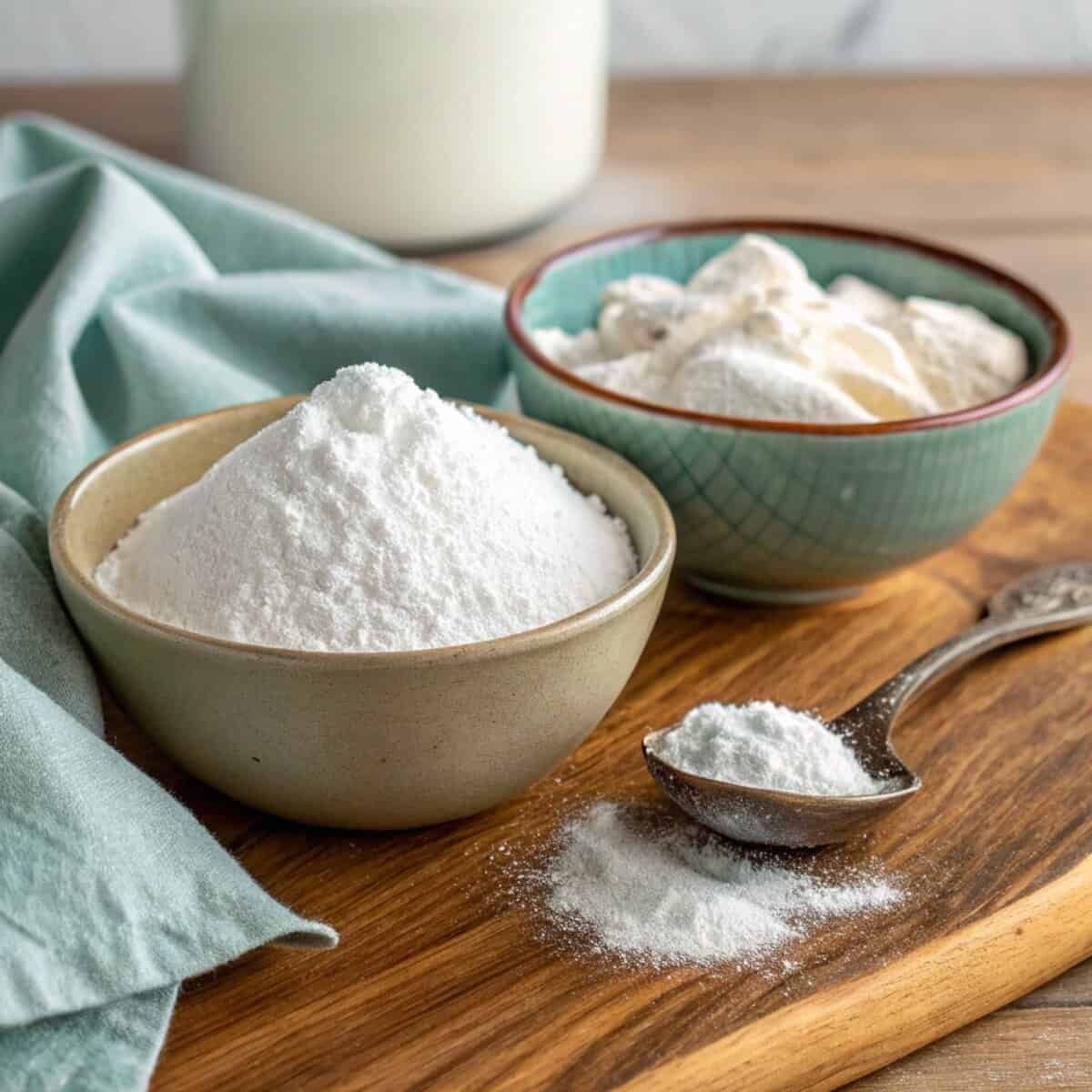
Ratio: 1/4 teaspoon baking soda + 1/2 teaspoon cream of tartar = 1 teaspoon baking powder
This is hands-down the best substitute because it’s essentially homemade baking powder. You’re mixing the exact ingredients that are in store-bought baking powder (minus the cornstarch, which isn’t necessary).
Why This Works Best
- Makes the same chemical reaction as commercial baking powder
- Works in ANY recipe that calls for baking powder
- Doesn’t change the flavor or texture of your baked goods
- Doesn’t require adjusting other ingredients
How to Use It
- For every 1 teaspoon of baking powder your recipe calls for, mix 1/4 teaspoon baking soda with 1/2 teaspoon cream of tartar
- Whisk them together first, then add to your dry ingredients
- Proceed with your recipe as written
- Bake immediately after mixing—this substitute is single-acting
Example Conversions
- 1 teaspoon baking powder = 1/4 tsp baking soda + 1/2 tsp cream of tartar
- 2 teaspoons baking powder = 1/2 tsp baking soda + 1 tsp cream of tartar
- 1 tablespoon baking powder = 3/4 tsp baking soda + 1 1/2 tsp cream of tartar
Pro tip: Make a big batch! Mix 1 tablespoon baking soda + 2 tablespoons cream of tartar and store in an airtight container. This equals 1/4 cup of baking powder and will last for several months.
Baking Soda + Buttermilk Substitute
Ratio: 1/4 teaspoon baking soda + 1/2 cup buttermilk (replace 1/2 cup of the liquid in your recipe)
Buttermilk is naturally acidic, so it reacts with baking soda to create the carbon dioxide bubbles you need for rising.
Why This Works
- Buttermilk provides the acid needed to activate baking soda
- Adds extra moisture and tanginess to baked goods
- Creates a tender, fluffy texture
- Especially good for pancakes, biscuits, and cakes
How to Use It
- For every 1 teaspoon of baking powder, use 1/4 teaspoon baking soda
- Replace 1/2 cup of the liquid in your recipe with 1/2 cup buttermilk
- Mix the baking soda with your dry ingredients
- Add the buttermilk with your wet ingredients
- Bake immediately—the reaction starts as soon as wet and dry ingredients mix
Important Notes
- This only works if your recipe has at least 1/2 cup of liquid to replace
- Don’t have buttermilk? Make it! Mix 1/2 cup milk + 1/2 tablespoon vinegar or lemon juice, let sit 5 minutes
- The buttermilk adds a slight tangy flavor—great for pancakes and biscuits
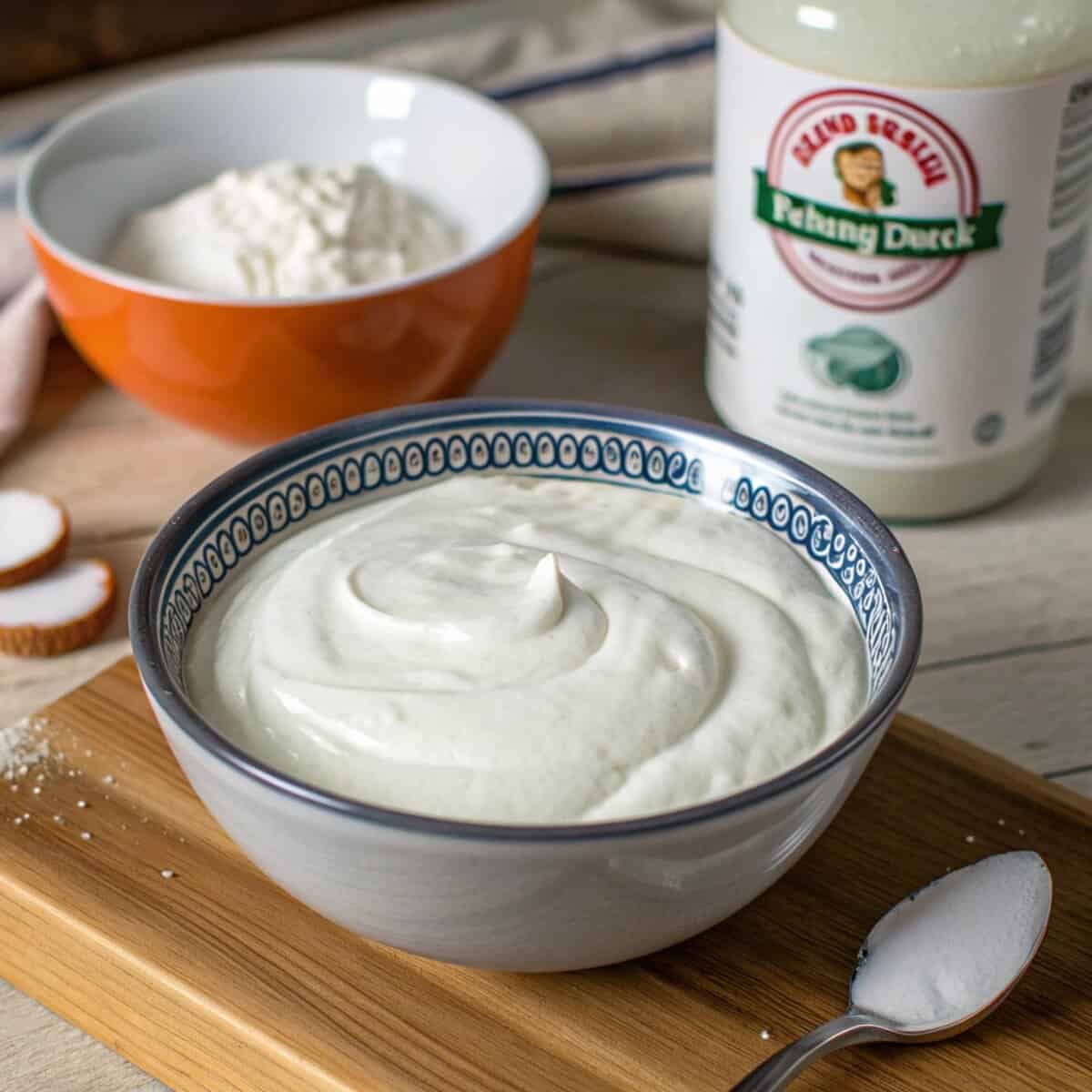
Baking Soda + Plain Yogurt Substitute
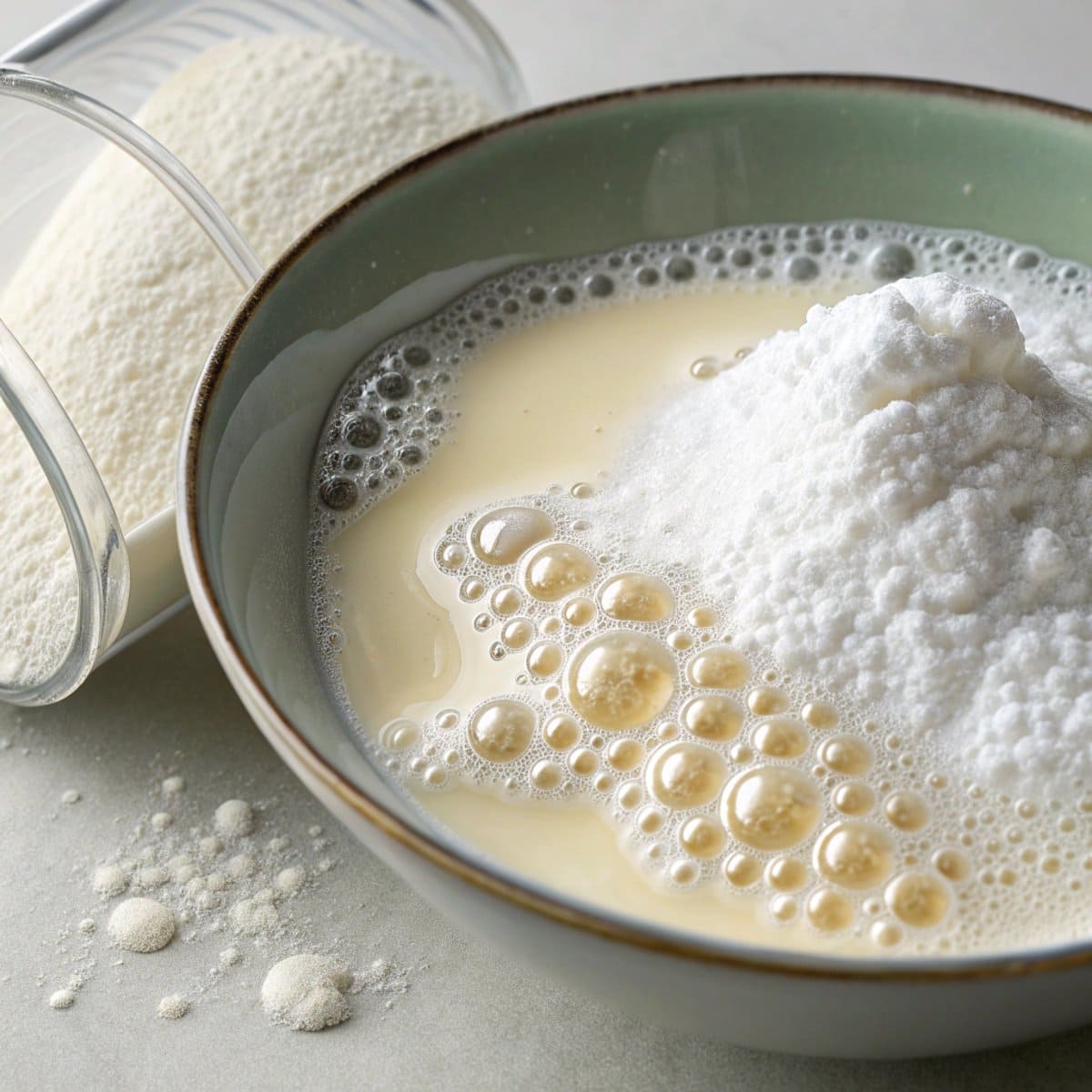
Ratio: 1/4 teaspoon baking soda + 1/2 cup plain yogurt (replace 1/2 cup liquid in recipe)
Plain yogurt is acidic like buttermilk, making it another excellent option for activating baking soda.
Why This Works
- Yogurt’s acidity activates the baking soda
- Adds moisture and makes a tender crumb
- Slightly tangy flavor (use Greek yogurt for thicker batter)
- Great for muffins, quick breads, and cakes
How to Use It
- For every 1 teaspoon of baking powder, use 1/4 teaspoon baking soda
- Replace 1/2 cup of liquid with 1/2 cup plain yogurt
- If using Greek yogurt, you may need to thin it with a tablespoon or two of milk
- Mix and bake immediately
Tip: Avoid flavored or sweetened yogurt—use plain, unsweetened yogurt only.
Baking Soda + Vinegar Substitute
Ratio: 1/4 teaspoon baking soda + 1/2 teaspoon white vinegar or apple cider vinegar
Remember the volcano experiment from elementary school? That’s baking soda + vinegar! This classic chemical reaction works for baking too.
Why This Works
- Vinegar’s acid reacts immediately with baking soda
- Makes lots of carbon dioxide bubbles quickly
- No flavor impact (vinegar taste bakes out)
- Works when you don’t have cream of tartar or buttermilk
How to Use It
- For every 1 teaspoon of baking powder, mix 1/4 teaspoon baking soda with 1/2 teaspoon vinegar
- Add the baking soda to your dry ingredients
- Add the vinegar to your wet ingredients
- Mix wet and dry quickly and bake IMMEDIATELY—the reaction happens fast!
Important Warning
This substitute reacts VERY quickly. You need to get your batter into the oven or onto the griddle within 2-3 minutes of mixing, or you’ll lose the leavening power. Don’t let the batter sit!
Baking Soda + Lemon Juice Substitute
Ratio: 1/4 teaspoon baking soda + 1/2 teaspoon fresh lemon juice
Lemon juice works just like vinegar—it’s acidic enough to activate baking soda.
Why This Works
- Lemon juice provides the acid for the reaction
- Adds a subtle citrus flavor (nice in light cakes or muffins)
- Reacts quickly like vinegar
How to Use It
- Same method as vinegar substitute
- Add baking soda to dry ingredients, lemon juice to wet
- Mix and bake immediately
Best for: Light-colored baked goods where you don’t mind a hint of lemon flavor. Avoid using in chocolate or strongly flavored batters.
Self-Rising Flour Substitute
Ratio: Replace all-purpose flour with self-rising flour (1:1) and omit baking powder AND salt from recipe
Self-rising flour already has baking powder and salt mixed in, so you can skip adding them separately.
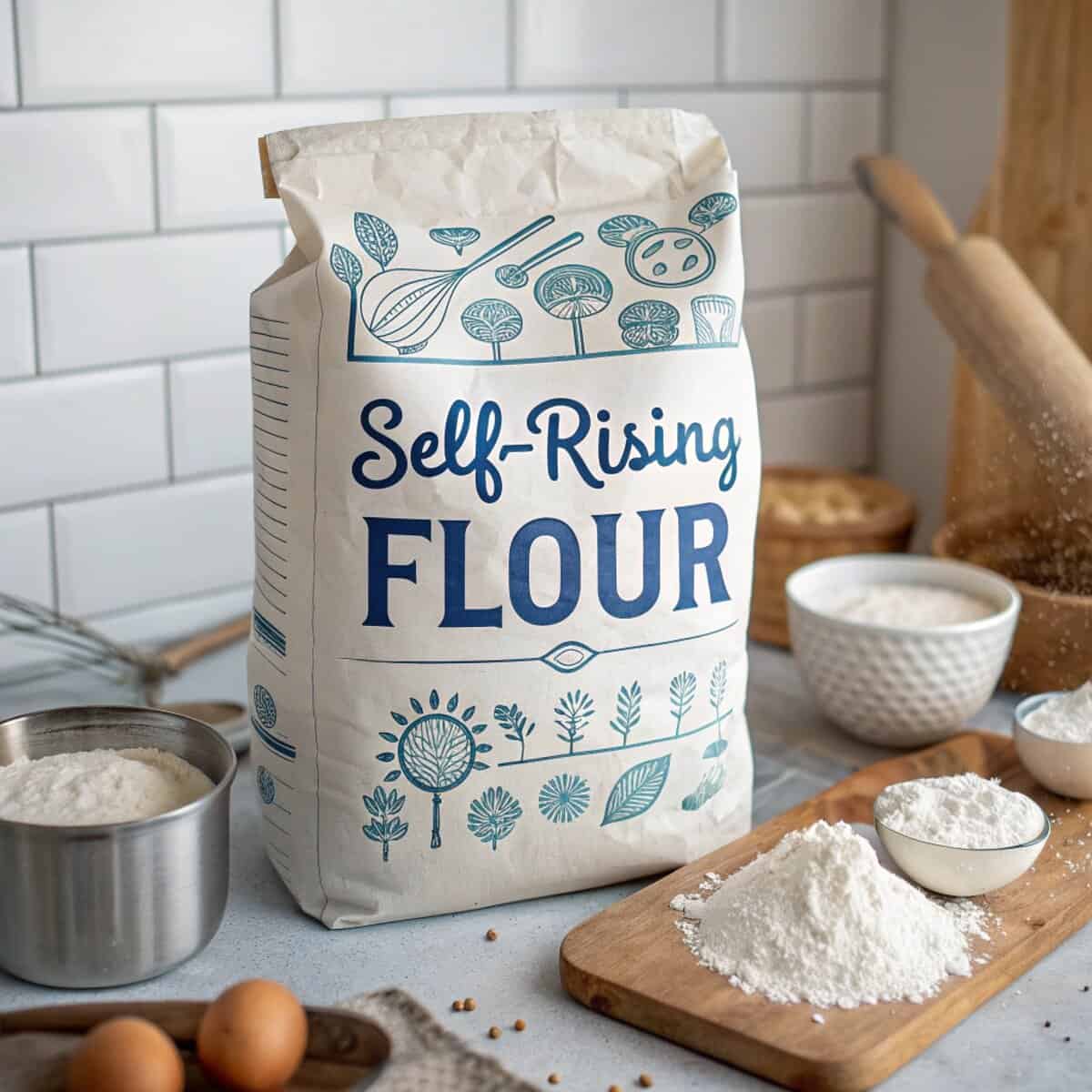
What is Self-Rising Flour?
Self-rising flour = all-purpose flour + baking powder + salt already mixed together
Typical ratio: 1 cup all-purpose flour + 1 1/2 teaspoons baking powder + 1/4 teaspoon salt
How to Use It
- Replace all-purpose flour in your recipe with equal amount of self-rising flour
- Omit the baking powder the recipe calls for
- Omit or reduce the salt (self-rising flour already has salt)
- Proceed with recipe as normal
Important Notes
- Only works if you’re replacing ALL the flour, not just part of it
- Best for simple recipes like biscuits, pancakes, and quick breads
- Not ideal for recipes with complex ingredient ratios or yeast
Don’t have self-rising flour either? Make your own! For every 1 cup all-purpose flour, add 1 1/2 teaspoons baking powder and 1/4 teaspoon salt.
Club Soda Substitute
Ratio: Replace the liquid in your recipe with an equal amount of club soda
Club soda contains dissolved carbon dioxide, which provides some lift to baked goods.
Why This Works (Sort Of)
- The carbonation adds air bubbles to the batter
- Makes a lighter texture
- No chemical reaction needed
How to Use It
- Replace milk, water, or other liquid in your recipe with club soda
- Use the exact same amount (1:1 replacement)
- Mix gently—you want to preserve the bubbles
- Cook immediately before carbonation dissipates
The Catch
Club soda provides less lift than chemical leaveners. This works okay for:
- Pancakes (creates fluffier texture)
- Waffles (extra crispy exterior)
- Tempura batter (light and crispy coating)
But it’s NOT a good substitute for cakes, muffins, or biscuits that need significant rise.
Think of it as: A helper for texture, not a true baking powder replacement.
How to Choose the Right Substitute
- If You Have Cream of Tartar: Use baking soda + cream of tartar – This is your best bet. It works for everything and doesn’t require any recipe adjustments.
- If You’re Making Pancakes, Waffles, or Biscuits: Use baking soda + buttermilk (or yogurt) – The tangy flavor is perfect for these recipes, and you probably have milk to make buttermilk.
- If You’re Making Quick Bread or Muffins: Use baking soda + yogurt – Makes a moist, tender crumb. Greek yogurt works especially well.
- If You’re in a Rush: Use baking soda + vinegar (or lemon juice) – Fastest option using common ingredients. Just work quickly!
- If You Have Self-Rising Flour: Use self-rising flour – Simple swap for basic recipes like biscuits and pancakes.
Common Mistakes to Avoid
Mistake #1: Using Only Baking Soda
Baking soda alone won’t work! It needs an acid to react with. Without acid, you’ll get a metallic, soapy taste and flat baked goods.
Mistake #2: Using Too Much Baking Soda
More is not better! Too much baking soda makes a bitter, metallic taste and can make baked goods brown too quickly. Stick to the ratios.
Mistake #3: Letting Batter Sit Too Long
Most substitutes (except cream of tartar) are single-acting. Get your batter into the oven or onto the griddle within 5 minutes of mixing, ideally within 2-3 minutes.
Mistake #4: Forgetting to Adjust Liquids
When using buttermilk or yogurt substitutes, remember to REPLACE an equal amount of liquid in your recipe. Don’t just add extra liquid on top.
Mistake #5: Using Old Baking Soda
Baking soda loses potency over time. Test it first: drop 1/2 teaspoon into vinegar. If it fizzes vigorously, it’s good. Weak fizz = time to replace it.
Mistake #6: Mixing Up Baking Soda and Baking Powder
These are NOT interchangeable! Baking powder is 3-4x less powerful than baking soda. If you use baking powder where baking soda is called for, your recipe won’t work.
Recipe-Specific Substitution Tips
For Pancakes
Best substitute: Baking soda + buttermilk
The tangy flavor is perfect for pancakes, and the extra moisture makes them fluffy. Replace 1/2 cup of your milk with 1/2 cup buttermilk and add 1/4 teaspoon baking soda per teaspoon of baking powder.

For Biscuits
Best substitute: Baking soda + cream of tartar OR self-rising flour
Biscuits need a neutral flavor, so cream of tartar is ideal. Self-rising flour also works great since biscuits are simple recipes.

For Cakes
Best substitute: Baking soda + cream of tartar
Cakes need precise leavening. Stick with cream of tartar so you don’t have to adjust liquid ratios and risk changing the texture.
For Muffins
Best substitute: Baking soda + yogurt
Yogurt adds moisture and creates a tender crumb—perfect for muffins. Use 1/4 teaspoon baking soda and replace 1/2 cup liquid with plain yogurt.

For Cookies
Best substitute: Baking soda + cream of tartar
Cookies need precise ratios for the right texture. Cream of tartar won’t mess with your recipe’s balance.

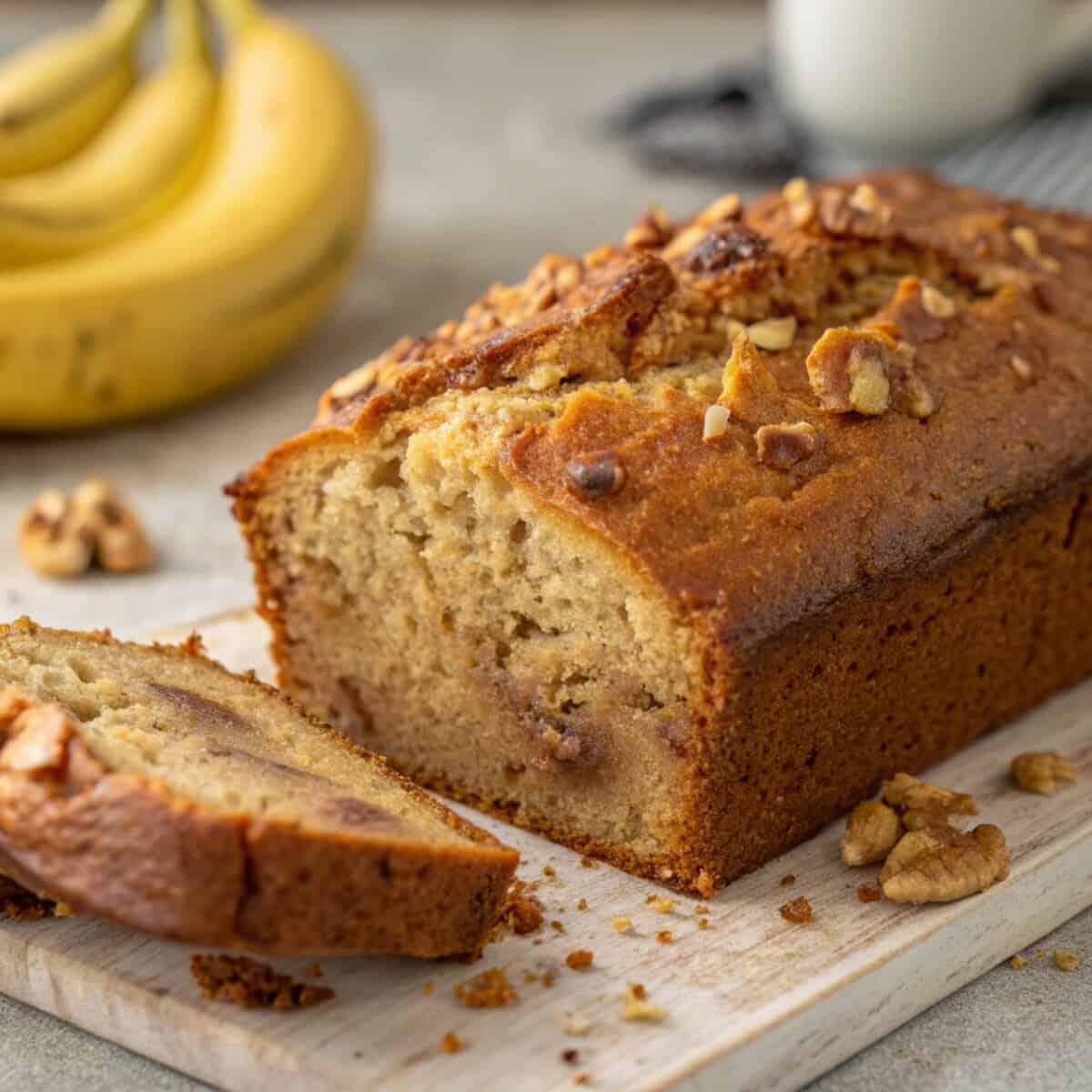
For Quick Breads (Banana Bread, Zucchini Bread)
Best substitute: Baking soda + buttermilk OR baking soda + yogurt
The extra moisture from buttermilk or yogurt keeps quick breads from getting dry.
Can You Make Baking Powder Ahead of Time?
Yes! If you have baking soda and cream of tartar, you can make a big batch of homemade baking powder to keep on hand.
Homemade Baking Powder Recipe
Ingredients:
- 2 tablespoons cream of tartar
- 1 tablespoon baking soda
- 1 tablespoon cornstarch (optional, helps prevent clumping)
Instructions:
- Whisk all ingredients together until well combined
- Store in an airtight container in a cool, dry place
- Use exactly like store-bought baking powder (1:1 ratio)
Yield: About 1/4 cup (equals 12 teaspoons of baking powder)
Shelf life: 3-6 months. Test periodically by dropping 1/2 teaspoon into hot water—it should fizz vigorously.
How to Test if Your Baking Powder is Still Good

Before you go making substitutes, make sure your baking powder is actually dead:
The Hot Water Test:
- Add 1 teaspoon baking powder to 1/3 cup hot water
- It should fizz and bubble immediately and vigorously
- Weak or no fizzing = time to replace (or make a substitute!)
Shelf life: Unopened baking powder lasts 12-18 months. Once opened, use within 6 months for best results.
Baking Powder Substitute FAQs
Not directly. Baking soda needs an acid to work. Use 1/4 teaspoon baking soda + 1/2 teaspoon cream of tartar (or an acidic ingredient like buttermilk) to replace 1 teaspoon baking powder.
If you don’t have either, you can use self-rising flour (which has baking powder already added) or whipped egg whites for lift in some recipes. For most baking, though, you really need a leavening agent.
Not recommended. Your baked goods will be dense, flat, and won’t have the light, fluffy texture you expect. Use a substitute instead.
1/4 teaspoon baking soda (plus an acid like 1/2 teaspoon cream of tartar) equals 1 teaspoon baking powder. Never use baking soda alone at a 1:1 ratio—it’s too strong!
Yes! Use 1/2 teaspoon lemon juice with 1/4 teaspoon baking soda to replace 1 teaspoon baking powder. Just be aware it may add a subtle lemon flavor.
Baking soda is pure sodium bicarbonate (a base) that needs an acid to activate. Baking powder already contains both an acid and a base, so it works on its own when mixed with liquid.
Absolutely! Use baking soda + buttermilk for the fluffiest pancakes. Replace your milk with buttermilk and use 1/4 teaspoon baking soda per teaspoon of baking powder called for.
You’re using too much baking soda! Stick to the 1/4 teaspoon baking soda per 1 teaspoon baking powder ratio. More is not better.
Yes! They work the same way. Use 1/2 cup plain yogurt to replace 1/2 cup of liquid in your recipe, along with 1/4 teaspoon baking soda per teaspoon of baking powder.
Homemade baking powder (baking soda + cream of tartar + cornstarch) lasts 3-6 months in an airtight container. Test it periodically with hot water to check potency.
Final Thoughts
Running out of baking powder doesn’t have to derail your baking plans. With just baking soda and cream of tartar—or even baking soda and buttermilk, yogurt, or vinegar—you can get a perfect substitute that works just as well as the store-bought version.
Remember the golden rule: 1/4 teaspoon baking soda + 1/2 teaspoon cream of tartar = 1 teaspoon baking powder. This is your best all-purpose substitute for any recipe.
The key is understanding that most homemade substitutes are single-acting (they react immediately when wet), so you’ll need to work a bit faster than usual. Mix your batter and get it into the oven or onto the griddle within a few minutes for the best rise.
Now you’ll never have to make an emergency grocery store run for baking powder again. Save this guide, bookmark it, and you’ll always be ready for pancake Sundays, last-minute biscuits, or spontaneous baking sessions!
Happy baking!
More Ingredient Substitutes

Cooking Basics
11 Best Chicken Stock Concentrate Substitutes

Cooking Basics
11 Best Beef Stock Concentrate Substitutes

Cooking Basics
Celery Salt Substitutes

Cooking Basics


